Written by Tony Santhosh
Special Educator
Introduction
Digital devices have become a familiar part of everyday life, including in education and therapy. For children with special needs, however, simply using a digital device does not automatically make the experience educational. The value of digital learning depends on what the child is doing, why the activity is being used, and how the experience is structured and supported.
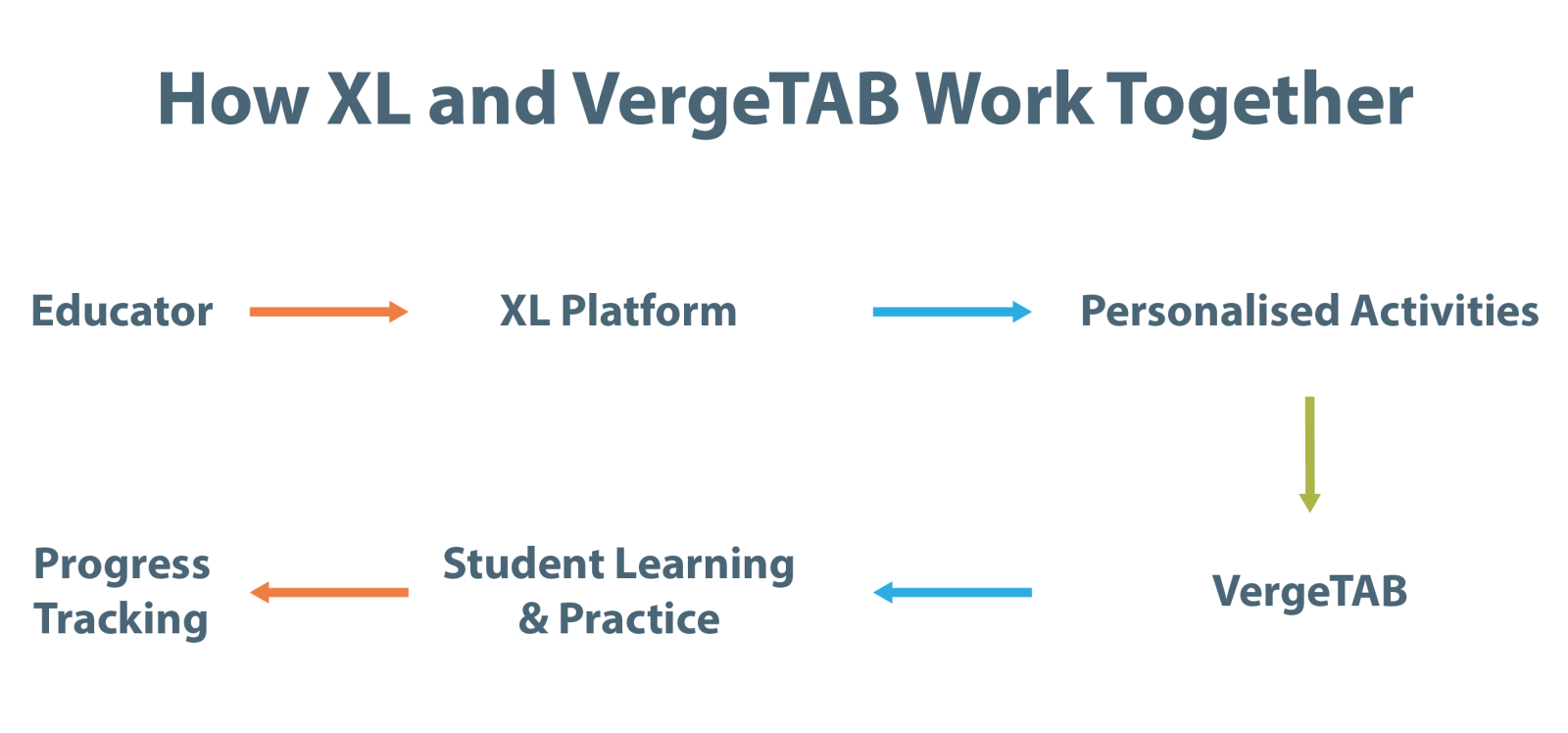
VergeTAB is a locked digital learning device powered by the XceptionalLEARNING Platform. It gives educators and therapists a controlled way to use structured digital activities tied to a learner’s individual goals, helping make digital practice more purposeful and guided.
Through the XceptionalLEARNING Platform, educators and therapists can assign and monitor structured digital activities tied to a learner’s individual goals, while VergeTAB provides the controlled device through which the learner accesses them.
Passive Screen Use vs. Purposeful Digital Learning
| Passive Screen Use | Purposeful Digital Learning |
|---|---|
| Watching content without a specific learning objective | Activities connected to a clearly defined learning goal |
| Moving between unrelated activities | Activities selected according to the learner’s needs |
| Consuming content without guided interaction | Active participation through interaction |
| Limited connection to educational or therapeutic goals | Connected to classroom, therapy, or learning objectives |
| Little opportunity for purposeful practice | Repeated opportunities to practise specific skills |
| Mainly focused on consuming digital content | Focused on responding, practising, and learning |
The same device can support very different learning experiences depending on how it is introduced and used. Purposeful digital learning starts with a clear goal and builds in interaction, practice, and guided participation, rather than passive consumption.
From Device Use to Goal-Based Learning
Goal-based digital learning begins with the learner’s needs rather than the device. Instead of asking “What can the child do on the device?”, educators and therapists start with “What skill does the child need to practise?”
A learning goal may involve:
- Recognising objects
- Developing vocabulary
- Following instructions
- Matching and sorting
- Identifying letters or numbers
- Understanding sequences
- Practising communication
- Developing attention and cognitive skills
Once the goal is identified, an appropriate digital activity follows it, not the other way around:
Learning Goal → Digital Activity → Practice → Reinforcement
The device supports the learning experience; it isn’t the point of it.
How VergeTAB Supports Goal-Based Digital Learning
Once a goal is identified, VergeTAB helps educators and therapists deliver activities that support practice of that specific skill, through six steps:
- Identify the learning goal based on the child’s needs.
- Select an activity that matches the child’s current level.
- Engage the learner through interactive participation.
- Practise repeat the activity to reinforce practice of the targeted skill.
- Guide the learner with prompts or support when needed.
- Reinforce the learning through classroom, therapy, or everyday activities.
Example: A therapist working on receptive vocabulary might assign a matching activity in which the learner identifies an animal from a set of images. As the learner progresses, the therapist can introduce different activities or levels of practice while keeping the activity aligned with the same underlying goal.
Interactive Learning Makes the Learner an Active Participant
Interaction allows learners to actively participate rather than passively watch. Through structured digital activities accessed on VergeTAB, learners can be encouraged to:
- Make choices
- Match objects
- Identify pictures
- Respond to instructions
- Complete sequences
- Sort items
- Solve simple problems
- Explore concepts
- Practise skills repeatedly
Instead of simply viewing pictures of animals, a child might be asked to identify a specific animal or match it to another image. The child isn’t watching; they’re responding, practising, and participating.
Repeated Practice With a Purpose
Many learners benefit from additional, structured opportunities to reinforce a skill. A learner might revisit an activity several times (Identify → Match → Sort → Select → Repeat) while the underlying goal stays the same even as the activity varies. The point of repetition isn’t to keep a child occupied; it’s to create meaningful chances to practise and consolidate learning.
Guided Digital Learning: Keeping Professionals at the Centre
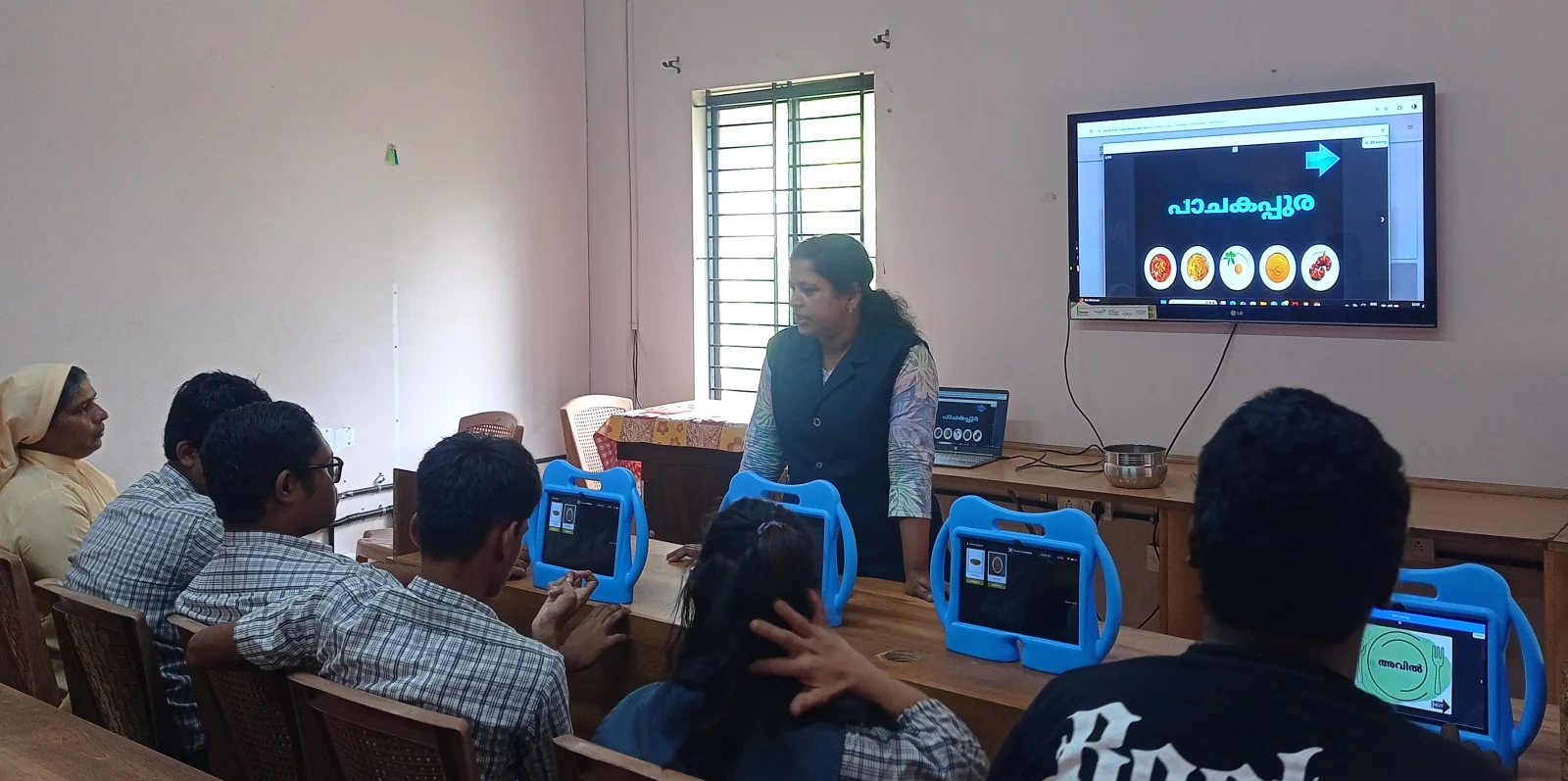
Digital learning becomes more meaningful when educators and therapists remain actively involved. Professionals understand a learner’s abilities, needs, and developmental goals, and they decide which activities fit into the broader intervention or lesson plan.
VergeTAB is built around this: activities are assigned within a provider-led environment, so digital learning becomes part of a professional’s existing workflow rather than a separate, unsupervised screen experience.
- A therapist may introduce an activity during a session.
- A special educator may use an activity to reinforce a classroom concept.
- A teacher may fold interactive practice into an existing lesson.
The technology supports professional judgement; it does not replace it.
A Controlled Digital Learning Environment
Purposeful digital learning also depends on the environment in which the activity is delivered. VergeTAB is designed as a locked digital learning device powered by the XceptionalLEARNING Platform, helping keep the learner within the intended digital learning environment.
Rather than providing unrestricted access to unrelated digital content, VergeTAB is used within a controlled, provider-led setup. This helps keep digital activity connected to the learning or intervention plan established by the educator or therapist.
Connecting Digital Activities to Specific Skills
Structured digital learning connects activities to clearly defined skill areas:
- Communication: identifying objects, making choices, practising vocabulary
- Cognitive development: matching, sorting, sequencing, categorisation
- Academic learning: early literacy, numeracy, recognition, concept development
- Functional learning: sequences and concepts tied to everyday routines
In every case, the guiding question stays the same: What is the learner practising? Keeping this question central ensures digital interaction stays tied to a meaningful objective, rather than becoming an end in itself.
Building a Purposeful Digital Learning Routine
Digital learning can be more meaningful when it becomes part of a consistent routine rather than a standalone activity:
Introduce → Engage → Practise → Guide → Reinforce → Apply
- Introduce the target concept or skill.
- Engage the learner with a suitable digital activity.
- Practise by repeating the activity to build understanding.
- Guide with prompts or support only when needed.
- Reinforce by connecting the concept to classroom, therapy, or everyday experiences.
- Apply the skill in contexts beyond the digital environment.
Digital Learning Should Complement Other Learning
Digital activities should complement rather than replace other forms of learning and interaction. Children continue to need:
- Face-to-face communication
- Hands-on exploration
- Physical activity
- Social interaction
- Classroom participation
- Therapy and intervention
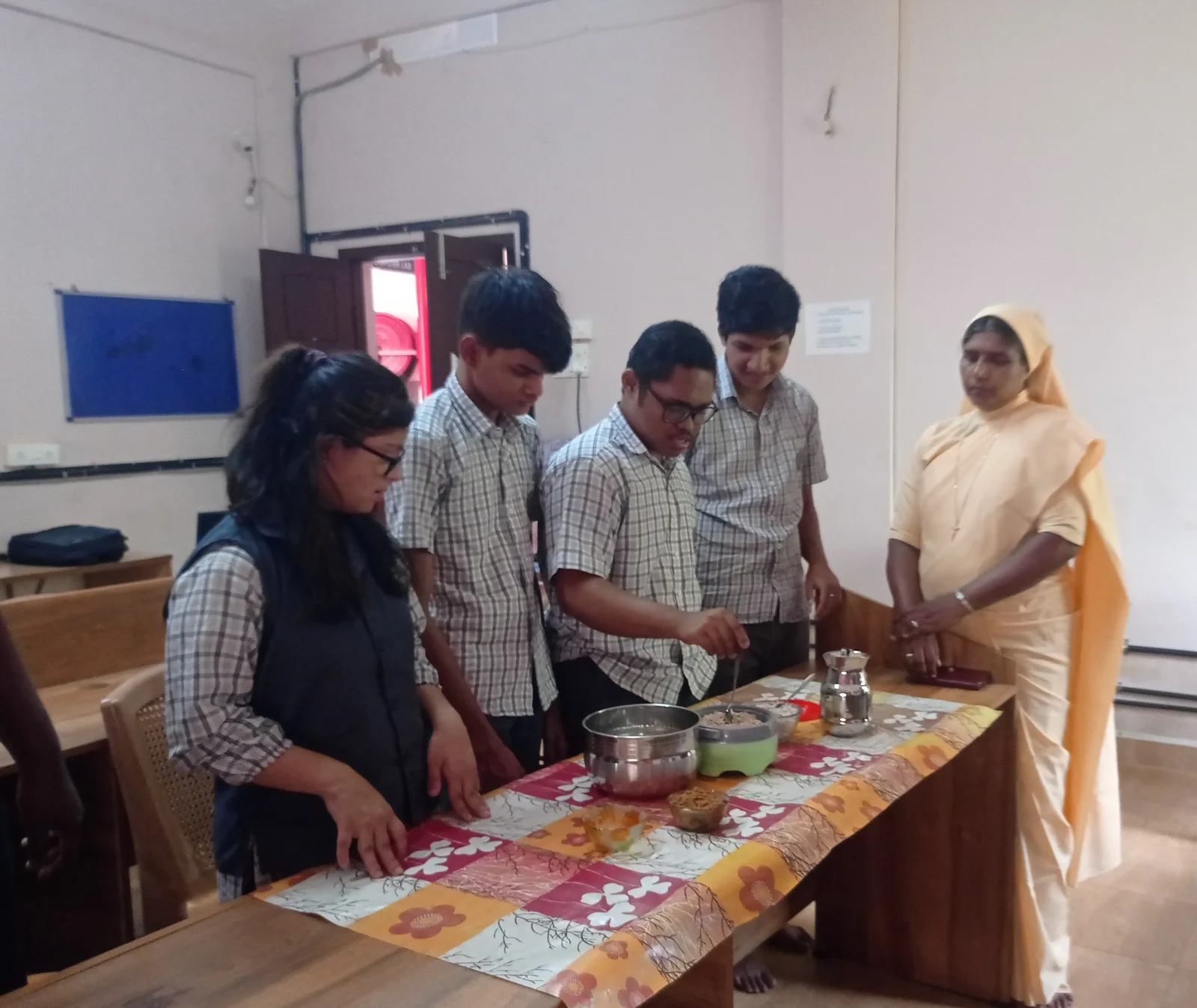
- Practical, real-world learning experiences
VergeTAB is designed to complement these, not compete with them, by introducing concepts, adding extra practice, or reinforcing skills already taught elsewhere.
Conclusion
The difference between passive screen use and purposeful digital learning comes down to purpose, structure, interaction, practice, and guidance. When digital activities are tied to clear learning goals and supported by educators and therapists, technology becomes more than a screen; it becomes a meaningful part of education and therapy.
VergeTAB supports purposeful interaction and practice within a workflow where educators and therapists remain in control of the learning or intervention plan. Meaningful digital learning isn’t about more screen time; it’s about making every digital experience count.
See VergeTAB in Action
Want to see how VergeTAB can fit into your classroom or therapy practice? Explore the locked digital learning device and how it works with the XceptionalLEARNING Platform.