A Mother’s Quiet Discovery

Quick Summary
- A mother spends months wondering whether therapy is helping her daughter.
- Small everyday moments reveal progress she almost missed.
- A therapist’s simple question changes how the family sees growth.
- VergeTAB helps families and therapists track progress beyond memory alone.
The Question That Followed Her Home
Ananya was four years old when the questions first started following her mother home.
The signal at the junction turned red. Ananya’s mother rested her hands on the steering wheel and watched the traffic crawl past: a delivery lorry, a school bus, a man carrying two heavy bags. She noticed all of it. And none of it.
Therapy had ended twenty minutes earlier. The worksheets were folded neatly in her bag. The session notes looked positive: observations, goals, and a few encouraging lines. Yet she felt exactly the way she had felt three months earlier. Unsure.
She closed her eyes for a moment and tried to picture Ananya six months from now. Would she be talking more? Would school feel easier? Would she make friends? The horn from the car behind her pulled her back to the present. The light had turned green.
One of the hardest parts of any therapy journey is that progress is usually easier to see over months than over days. Families live through every step, which can make meaningful growth surprisingly difficult to recognize while it’s happening.
The drive home felt familiar — the same junction, the same bakery, the same school wall with its fading paint. She would replay the therapist’s words in her head. “Good participation today. Better communication. Improved engagement.” They sounded encouraging. Yet by the time she reached home, she often found herself asking the same question: what does “better” actually look like?
When Ananya first started therapy, her mother imagined progress would announce itself: new words appearing every week, a clear before-and-after, an obvious sign that things were getting better. Instead, most days looked exactly like the ones before them—therapy, home, practice, dinner, sleep, repeat. The sameness made everything harder to measure.
Note: Ananya and Divya are representative characters inspired by common experiences shared by families and therapists. Their story reflects challenges and progress patterns frequently seen in therapy journeys.
Where It Started: A Sentence Every Parent Recognizes
Months earlier, before therapy was part of their routine, there had only been a conversation with a preschool teacher. She remembered exactly where she was standing — near a row of small shoes outside the classroom, children’s artwork pinned to the wall behind them.
“Ananya is a lovely child,” the teacher said.
Every parent knows that sentence. It’s the one that usually arrives just before something harder. The teacher explained, gently, that Ananya often communicated through gestures instead of words, found some classroom instructions difficult to follow, and frequently watched group activities rather than joining them. Nothing sounded alarming on its own. Together, the observations followed her home.
That night, she walked back into Ananya’s room and stood beside the bed for a few moments without saying anything. Ananya slept with one arm wrapped around a small stuffed rabbit that had quietly become a permanent member of the family — repaired twice at the ear, slightly faded, present at school runs and doctor’s visits alike.
She brushed a strand of hair away from Ananya’s face and wondered whether she was worrying too much. Then she wondered whether she wasn’t worrying enough. Maybe she just needs more time. Maybe I’m comparing her unfairly. Maybe became a word she lived inside for weeks, the way hope often delays harder decisions — until concern finally won and therapy began.
The Word by the Refrigerator
Months into therapy, on an evening that felt like every other evening, she stood at the kitchen counter cutting vegetables. A dog barked outside. The television changed channels in the next room. Ordinary. Forgettable.
Then a voice behind her — not a cry, not the usual tug on her sleeve. Small. Quiet. Almost easy to miss.
“Water.”
She turned. Ananya stood by the refrigerator, waiting — no pulling, no pointing, no tears, just waiting, the way a person waits when they trust they’ll be understood.
She handed her a glass and turned back to dinner. The moment lasted only a few seconds. Nobody celebrated. Nobody wrote it down. By bedtime, she had almost forgotten it had happened at all.
It would be a long time before she understood why that moment stayed with her. Not a milestone chart, not a session report — a single word, spoken with the quiet confidence that someone would respond to it. Nobody had prompted Ananya, and nobody had guessed what she wanted. For the first time, she had trusted her own voice to do the work.
The Crayons No One Else Noticed
A few weeks later, she stood outside Ananya’s classroom waiting for dismissal. Children spilled through the door carrying bags larger than they were. A box of crayons slipped from someone’s hands and scattered across the floor. A few children stepped around them. One laughed. One kept walking.
Ananya stopped. She looked at the crayons, then at the other child, then back at the crayons. Slowly, she bent down, picked up two, then another, then another, and handed them back. The whole interaction lasted less than thirty seconds. The teacher had probably forgotten it by the time she reached her car.
But her mother hadn’t. She couldn’t fully explain why a few rolling crayons mattered more to her than any report card had. She only knew that something in her had started paying attention differently — not to whether something dramatic had happened, but to whether something small had.
The Playground Bench
A few weeks after that, the family stopped at a neighbourhood park. Children ran between swings and slides while parents gathered in the shade. Ananya sat quietly on a bench, holding her stuffed rabbit.
Another little girl approached. “Can I sit here?”
Six months earlier, Ananya would probably have looked away or moved to a different spot. Instead, she stayed where she was. The two children spent the next few minutes rolling pebbles along the bench, talking in short, simple sentences.
Nothing extraordinary happened. No one took a photograph. No therapist recorded it. Yet Ananya’s mother found herself watching more carefully than she had watched anything all week — because six months ago, this moment did not exist.
The Forgotten Notebook
One Saturday morning, while searching for an electricity bill, she found an old notebook tucked into a kitchen drawer. The first few pages held notes from Ananya’s early therapy sessions: Difficulty requesting. Limited participation. Needs frequent prompts.
She sat at the dining table longer than she intended. Some of the concerns that once filled entire pages no longer described her daughter, and she couldn’t remember exactly when those changes had happened. There had been no celebration, no milestone marked on a calendar, no dramatic turning point. Progress had arrived so quietly that she had almost missed it — hidden inside everyday routines, small successes, and ordinary moments that barely seemed worth remembering. Only now, looking back through those pages, could she see how hundreds of ordinary days had slowly become something extraordinary.
The Woman Who Reads Old Notes for a Living
At roughly the same hour, in a clinic a few kilometres away, Divya was still at her desk. Most families had already gone home. A cleaner pushed a trolley past her office door. She opened an old progress note. Then another. Then another.
Earlier in her career, Divya looked for dramatic breakthroughs. She expected progress to arrive as obvious milestones that everyone could recognize immediately. Years of working with children had taught her something different: growth rarely announces itself. It arrives quietly, disguised as a small success that seems ordinary until someone compares it with where the child started months before.
Therapists spend a surprising amount of time looking backward, not because they enjoy paperwork, but because progress often hides in old records rather than in the child sitting across from them today. A child rarely feels dramatically different from one week to the next. The difference becomes visible only when two distant points in time are placed side by side. An older note described difficulty requesting preferred items; a newer one described independent requests. An older report noted limited participation; a recent one recorded active engagement. Read alone, each note looked unremarkable. Read together, they told an entirely different story — one that the family living through it, daily, was too close to see.
This is why many therapists place such importance on documenting progress consistently. Gains in confidence, independence, and participation become far easier to see when they are recorded and reviewed over time.
“The biggest challenge is not that children aren’t progressing,” Divya often says. “It’s that progress happens so gradually that families don’t notice it until they look back and compare where their child is today with where they started months before.”
It was a question she heard often, in different words, from almost every parent: Is this actually working? Not because parents lacked faith, but because they were standing too close to the journey to measure it. They saw every hard morning, every frustrating session, every small setback. Closeness made progress nearly impossible to see in real time, the way you can stand beside a tree every day and never notice it growing, until one day it simply is taller.
The Question That Changed the Room
Months kept passing. The routines stayed the same — therapy sessions, school mornings, family dinners, weekend outings. Nothing dramatic seemed to change. Everything was changing, slowly, almost invisibly.
One afternoon, during a review meeting, Divya asked a simple question: “What can Ananya do today that she couldn’t do six months ago?”
The room went quiet. Then the answers started arriving, one after another. She asks for help now. She participates more. She communicates better. She engages with other children. She manages transitions. The list kept growing, longer than anyone in the room expected — because they had finally compared today to where the journey began, instead of comparing today to yesterday.
Sometimes distance only becomes visible when you turn around and look back.
If this feels familiar, you’re not failing to notice your child’s progress. Like many parents, you’re simply too close to the journey to see every small step forward. You’re simply standing too close to measure it, the same way every parent on this journey eventually does. Parents tend to remember the major milestones. What gets forgotten are the hundreds of smaller moments in between: a new word, a successful interaction, a task completed independently, a calmer transition. Those moments matter more than most families realize.
What Progress Actually Looks Like
Progress is not always a new diagnosis, a test score, or a breakthrough. More often, it appears as growing confidence, increasing independence, stronger participation, and a greater willingness to engage with the world.
Progress may look like:
- Asking for help instead of becoming frustrated
- Following a two-step instruction
- Waiting briefly for a turn
- Participating in a group activity
- Completing a task with less support
- Recovering more quickly after disappointment
- Using a new word independently
- Making eye contact more consistently
- Trying an unfamiliar activity without resistance
- Showing confidence in situations that once felt overwhelming
To someone seeing the child every day, these changes can seem almost invisible. Viewed over weeks or months, they often tell a powerful story of growth. A child who participates for two minutes today may participate for ten minutes three months later. A child who needs constant prompting today may begin initiating activities independently in the future. Development often builds this way, one small success at a time. That’s why consistent documentation matters: it turns invisible progress into visible evidence.
The Problem Wasn’t Progress. It Was Visibility.
The challenge was never that Ananya wasn’t making progress. The challenge was that her progress was happening in small pieces across different parts of her life. A new word spoken at home, a successful interaction at school, better participation during therapy, a little more independence during everyday routines — each moment mattered, but no single person saw all of them together. Her therapist saw one part of the picture, her teacher saw another, and her family lived the rest. When progress is spread across memories, conversations, and scattered notes, it can be surprisingly difficult to recognize how much growth is actually taking place. Sometimes children are making meaningful progress long before the adults around them feel confident enough to see it.
A SIMPLE QUESTION
Before you continue reading, think about your own child. What can they do today that they could not do six months ago? Many parents discover that the answer is longer than they expected. If you’re unsure how to measure progress at home, our team is happy to help. You can chat with us on WhatsApp and discuss your child’s current challenges with a specialist.
When Progress Doesn’t Have to Depend on Memory
Many families only recognize the full extent of progress when they look back months later and compare where their child started with where they are today. What if those moments didn’t have to depend on memory alone?
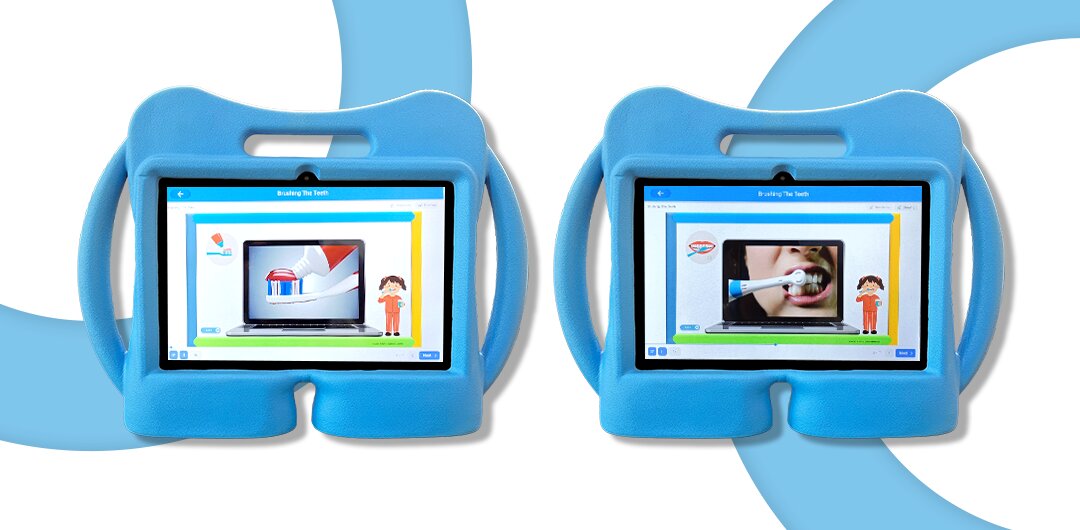
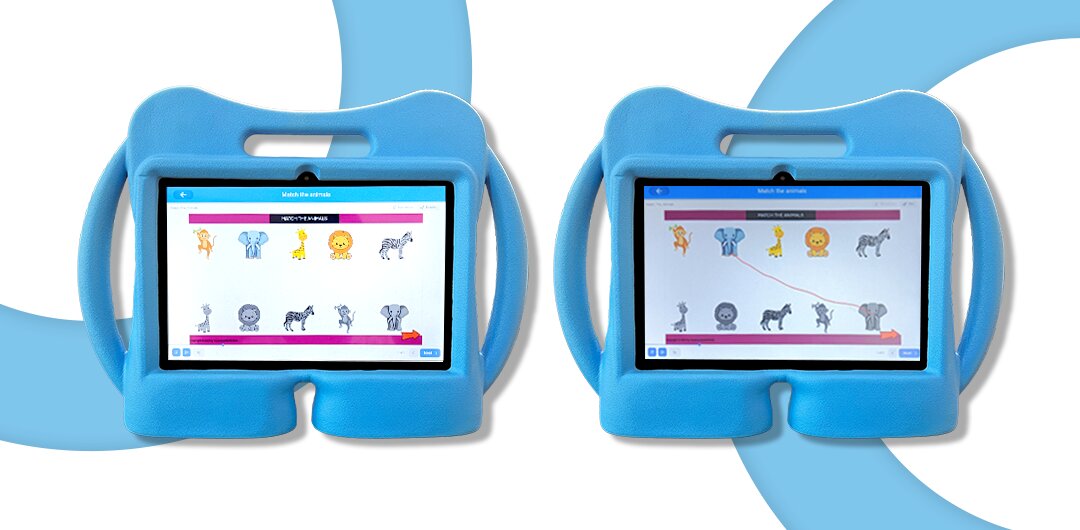
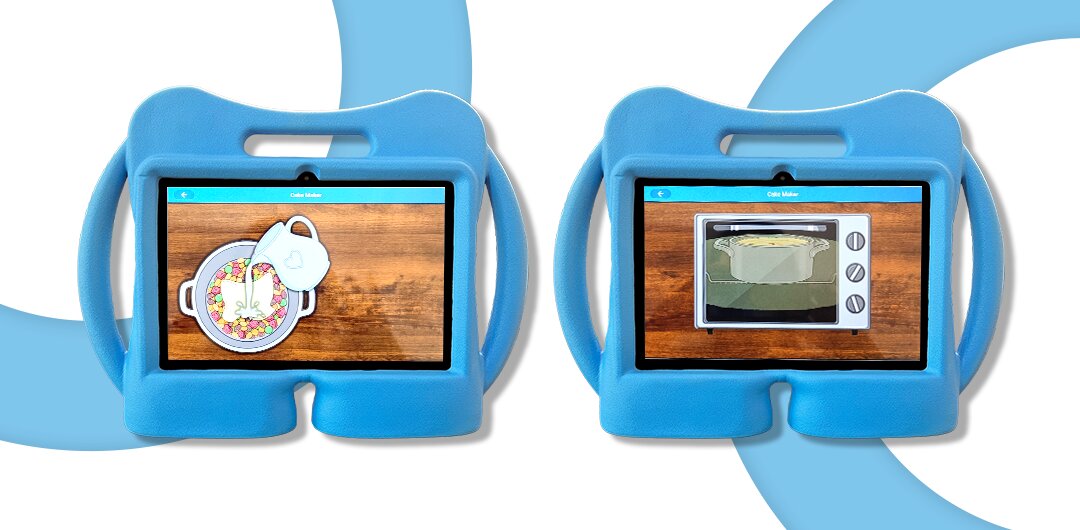
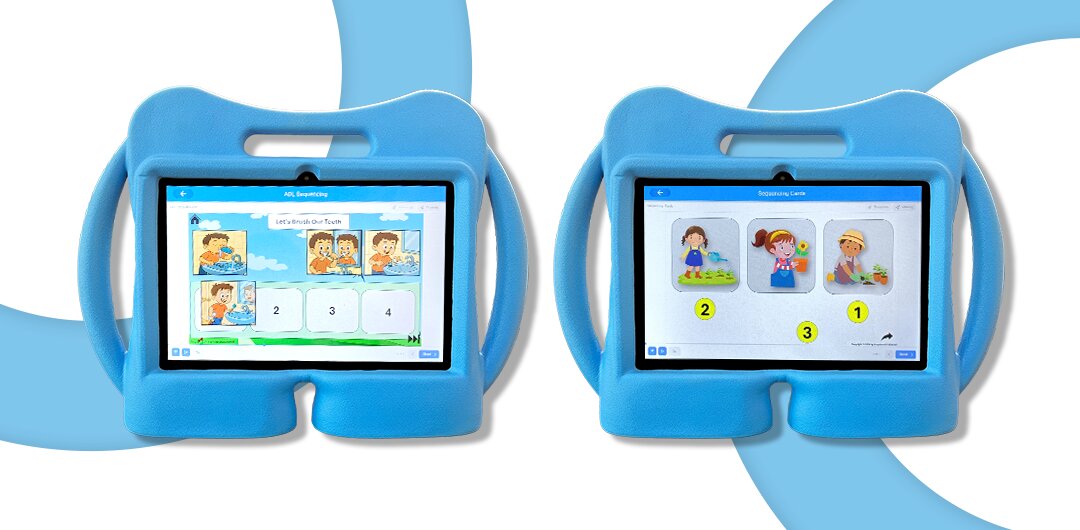
VergeTAB, powered by XceptionalLEARNING, helps families, therapists, and schools capture progress as it happens. Instead of relying on scattered notes, conversations, and recollections, everyone involved in a child’s journey can share a clearer view of growth over time — a new communication attempt, increased participation, greater independence, or a small success during everyday activities, made visible before it’s forgotten.
You don’t need a platform to start tonight. You only need a different question. Instead of asking “How was today?”, try asking yourself: What can my child do right now that they couldn’t do six months ago? Write down whatever comes to mind — a word, a gesture, a moment of patience, a task completed without help. Most parents are surprised by how long that list becomes once they stop comparing today to yesterday and start comparing today to where the journey began.
If you want that comparison backed by real session data instead of memory, shared with your child’s therapist and easy to revisit months from now, that’s exactly what VergeTAB and the XL platform are designed to provide.
What parents can actually see on VergeTAB:
- Progress trends across skills and goals
- Activities completed at home and in therapy
- Therapist observations and recommendations
- Developmental milestones over time
- Participation patterns across environments
- Shared visibility between families and professionals
Frequently Asked Questions
How do I know if my child’s therapy is working?
Look for small changes over three to six months rather than day-to-day differences. New communication attempts, increased independence, improved participation, and reduced support needs are often meaningful indicators of progress.
Why does progress feel slow even when therapists say improvement is happening?
Because developmental growth usually occurs in small, cumulative steps. Parents experience every challenge and setback up close, which makes it difficult to notice the gradual upward trend.
How long does therapy progress usually take?
Every child is different. Some skills improve within weeks, while others may take months or longer. Consistency, practice, support, and individual needs all influence the pace.
What are early signs that therapy is helping my child?
Small improvements such as increased attention, better communication, greater participation, improved confidence, and reduced frustration often appear before larger milestones become visible.
Can VergeTAB be used at home and not just in therapy centres?
Yes. VergeTAB supports structured activities at home, in schools, and in therapy settings, helping maintain consistency across environments.
An Ordinary Evening
Later that evening, Ananya sat at the dining table, drawing a picture. Her mother watched quietly from the kitchen. The scene looked completely ordinary. That was the point.
The routines that once felt impossible had gradually become normal. The challenges that once occupied every conversation no longer defined every day. The milestones she once waited for had quietly become part of everyday life. Growth had not arrived with a dramatic announcement. It had arrived quietly, one ordinary day at a time.
Years Later, the Answer Feels Obvious
Years later, when people asked about Ananya’s progress, her mother rarely talked about reports or assessments. She talked about moments — the word by the refrigerator, the crayons on the classroom floor, the first greeting offered without prompting, the first invitation to play. Memory doesn’t organize a child’s life into goals and objectives. It collects moments.
One morning, years after that first therapy appointment, Ananya walked through the school gate without looking back. No stuffed rabbit. No hesitation. No hand to hold. Her mother stood at the entrance a moment longer than necessary, remembering a little girl who once stood quietly beside a refrigerator, waiting for someone else to understand what she needed. Now she could tell the world herself.
Looking back, the answer felt obvious. At the time, it never did. That’s the part of the journey almost every parent eventually recognizes — and the part that structured tracking, shared between home and therapy, can finally put into words while it’s still happening, not years later in hindsight.
Every therapy journey is built on moments that are easy to overlook while they’re happening: a new word, a shared smile, a task completed independently. Over time, those moments become the story of a child’s growth. VergeTAB helps families, therapists, and schools capture those moments, track developmental progress over time, and build a clearer picture of growth that doesn’t rely on memory alone.
The goal isn’t simply to collect data. It’s to make sure meaningful progress never goes unnoticed.
Have Questions About Your Child’s Progress?
Wondering whether you’re seeing the full picture of your child’s progress? Chat with our team on WhatsApp for personalized guidance, or book a free VergeTAB demo to discover how families, therapists, and schools track progress more clearly.