
Quick Summary
- Discover why most autism therapy activities at home fail to create real progress
- Learn structured autism home therapy methods that improve daily living skills
- Follow a simple 7-day autism therapy routine for home practice
- Improve attention, communication, independence, and instruction-following naturally
- Turn therapy into real-life learning—not just session-based progress
A Real Morning That Explains the Problem
It’s 8:30 AM.
You ask your child to:
- Wear shoes
- Sit for breakfast
- Get ready for the day
Instead:
- They walk away
- Avoid eye contact
- Get distracted
You repeat the same instructions again and again.
By the end of the day, you feel exhausted.
And despite all the effort… nothing really changes.
This is where many parents of children with autism feel stuck.
Not because their child cannot learn.
But because therapy skills are not transferring into real daily life.
And that is the real issue most families are never taught how to solve.
The Truth Most Parents Are Never Told About Autism Therapy
Many children with autism can:
- perform well during therapy sessions
- identify objects correctly
- respond to therapists
- complete structured tasks
But once they return home:
- the instructions stop working
- routines become difficult
- behaviour becomes inconsistent
- independence decreases
Why?
Autism therapy activities only work when skills are practiced consistently in real-life situations.
That’s the difference between:
- temporary session success
vs - meaningful daily progress
Why Most Autism Therapy Activities at Home Fail
Before trying more therapy activities, parents need to understand what usually goes wrong.
Mistake 1: Teaching Without Real-Life Context
Many parents teach:
- colours
- shapes
- flashcards
But children struggle to use those skills in everyday situations.
For example:
Instead of teaching “red colour” separately,
teach:
- “Bring the red cup.”
- “Find the red shoe.”
This creates functional learning.
Mistake 2: No Structured Routine
Random autism activities without consistency create confusion.
Children with autism learn best through:
- repetition
- predictability
- step-by-step structure
Without structure:
- attention drops
- resistance increases
- learning slows down
Mistake 3: Sessions Are Too Long
Long therapy sessions at home often create:
- frustration
- sensory overload
- emotional resistance
Short structured activities work far better.
Especially for:
- autism attention training
- communication building
- daily living skill development
Parents exploring structured sensory-friendly activities may also find this helpful: How VergeTAB Supports Sensory Integration Through Daily Structured Routines
Mistake 4: Therapy Stops After the Session
This is the biggest problem.
Therapy cannot remain isolated.
Real progress happens when autism therapy activities continue throughout:
- meals
- dressing
- play
- transitions
- routines
- daily tasks
That’s how children begin applying skills naturally.
What Actually Works for Autism Therapy at Home
Instead of only teaching skills…
Focus on using skills during real-life activities.
That is where:
- independence develops
- communication improves
- attention increases
- confidence grows
The goal is not just:
“finishing therapy”
The goal is helping children apply those skills naturally during daily life.
Children with autism often learn better through predictable routines, repetition, and step-by-step guidance. Structured learning reduces confusion and helps therapy skills transfer into real-life situations more effectively.
Parents can also explore: Structured Learning Made Simple with VergeTAB in Applied Behaviour Analysis (ABA) and Task Analysis
Need Help Creating Better Therapy Routines at Home?
5 Proven Autism Therapy Activities at Home
These therapist-backed autism activities help improve:
- attention
- communication
- participation
- independence
- daily living skills
1. Routine Chaining for Autism Daily Living Skills
Many children with autism struggle with sequencing, not ability.
What To Do
Break tasks into small, predictable steps.
Example:
Brushing Routine
- Pick toothbrush
- Apply toothpaste
- Brush teeth
- Rinse mouth
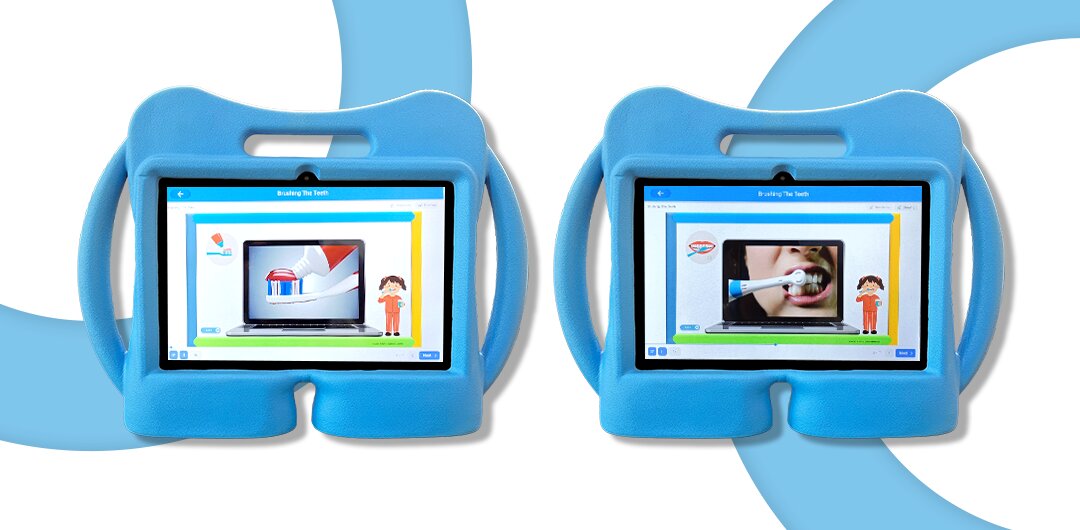
Use the same order every day.
Keep practice:
- short
- visual
- repetitive
Start with:
5–10 minutes only.
This improves:
- independence
- routine participation
- instruction following
Parents looking for more guided home-based activities can also explore: Occupational Therapy Activities for Kids at Home Using VergeTAB to Improve Daily Skills
2. Choice-Based Communication Activities
If speech is limited, do not force verbal responses immediately.
Instead, encourage functional communication first.
Try Simple Choices
Offer:
- water or juice
- toy or book
- apple or biscuit
Allow the child to:
- point
- look
- select
- gesture
This reduces frustration while improving communication confidence.
It is one of the most effective autism communication activities at home.
3. The 2-Minute Attention Builder
Many parents believe longer sessions create better learning.
Usually, the opposite happens.
Start with:
just 2 minutes.
Try:
- puzzles
- matching games
- stacking activities
- sorting objects
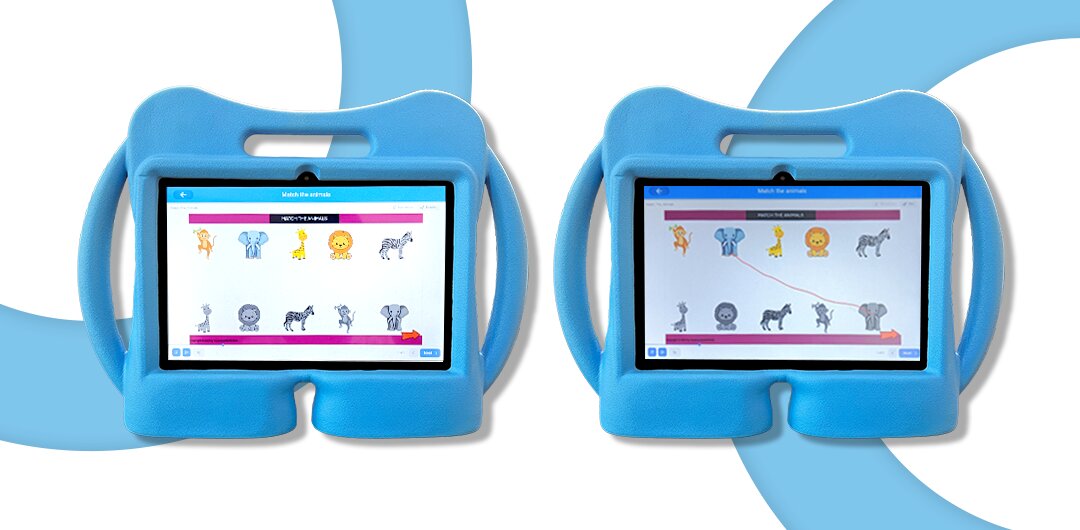
Then stop before frustration begins.
Gradually increase time.
This improves:
- focus
- sitting tolerance
- task completion
- therapy participation
without creating resistance.
Attention-building activities also strengthen visual memory, visual discrimination, and learning readiness—important skills for following instructions and completing daily tasks independently.
Parents may also find this helpful: What Are Visual Discrimination Skills? How VergeTAB Activities Strengthen Them
4. Imitation Activities for Autism Learning
Imitation is one of the foundational autism learning skills.
Before children communicate verbally, they often learn through copying.
Try:
- clapping
- tapping table
- waving
- smiling
- simple actions
Then pause and wait.
This improves:
- engagement
- interaction
- learning readiness
- social participation
5. Real-Life Skill Practice (Where Real Progress Happens)
This is where therapy becomes meaningful.
Do not teach skills in isolation.
Instead of:
“learn colours”
Use:
- “Bring the blue towel.”
- “Put the spoon on the table.”
- “Find your shoes.”
This helps children use skills naturally in daily life.
That is how independence develops.
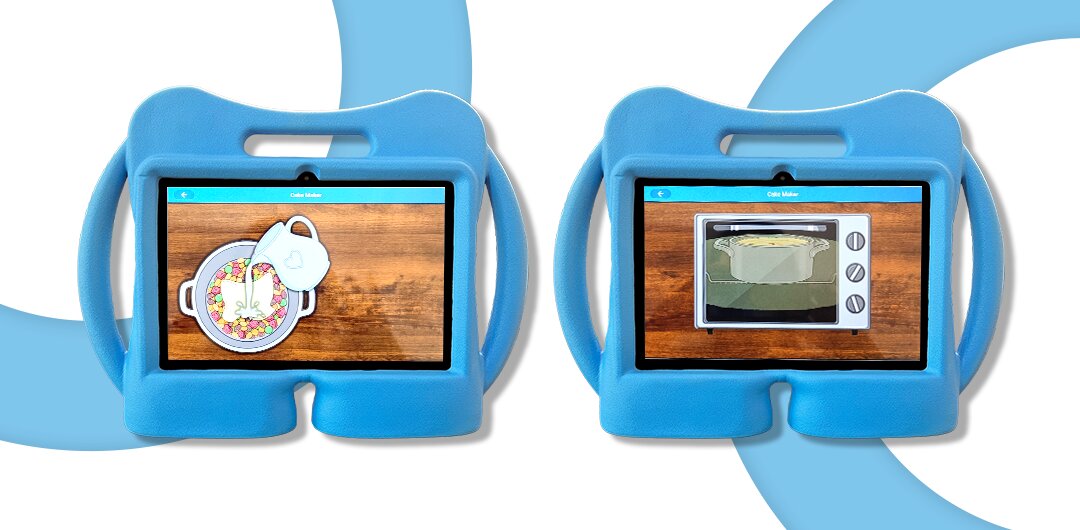
See How Structured Guidance Builds Real-Life Skills
Simple real-world activities like cooking, mixing, and following step-by-step instructions can improve:
- attention
- sequencing
- confidence
- participation
- independence
Watch how structured guidance on VergeTAB helped build engagement during a real-life activity:
Want Activities Like This for Your Child?
Structured real-life activities can help improve:
- attention
- participation
- confidence
- independence
- daily living skills
Get guidance from our therapy team and explore structured home-based learning with VergeTAB.
Why These Autism Therapy Activities Actually Work
Because they follow 3 core therapy principles:
Repetition
Builds memory and familiarity
Structure
Reduces confusion and anxiety
Real-Life Integration
Creates practical independence
Without these three things, even good therapy activities often fail to create lasting progress.
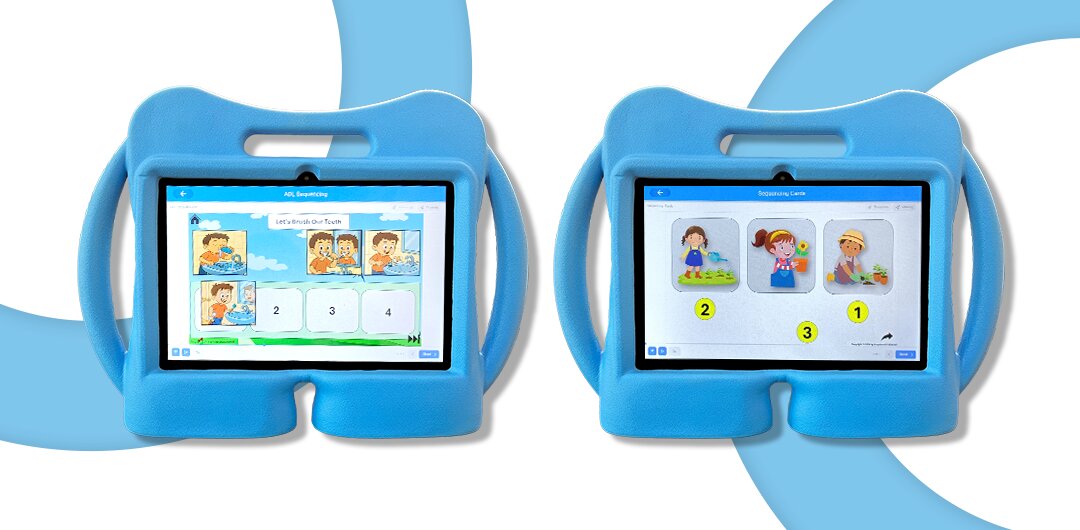
Visual-motor coordination also plays an important role in instruction following, writing readiness, task participation, and daily living skills.
Parents can also explore: How VergeTAB Helps Children Master Visual-Motor, Sensory, and Daily Living Skills
What Happens If You Don’t Change the Approach
If therapy continues like this:
Session → Stop → Repeat
You may continue seeing:
- slow progress
- inconsistent behaviour
- poor generalization
- daily struggles
But when therapy becomes:
Session → Home → Daily Life
That’s when progress becomes visible.
You Don’t Need to Become a Therapist
Your child does not need perfect therapy at home.
What matters most is:
- consistency
- repetition
- structured interaction
- small daily wins
Even 10–15 minutes of structured autism therapy activities at home can create meaningful long-term improvement.
The goal is not perfection.
The goal is steady progress.
7-Day Autism Therapy Starter Plan for Home
Day 1
2-minute attention activity
Day 2
Introduce 2 simple choices
Day 3
Practice imitation activities
Day 4
Teach one routine step
Day 5
Practice real-life instructions
Day 6
Combine 2 activities together
Day 7
Practice a full mini routine
This creates momentum without making the child feel stressed.
The Missing Piece Most Parents Overlook
Progress does not come from:
- more pressure
- more worksheets
- longer sessions
It comes from:
Consistency + Structure + Daily Integration
That is the difference between trying therapy…
and seeing real-life improvement.
Real Progress: What Parents Begin to Notice
With structured autism therapy activities, many families begin noticing:
- better attention
- improved instruction following
- reduced frustration
- increased participation
- stronger communication
- improved daily routines
- growing independence
Read a real transformation story here:
From Touch to Transformation: A Special Child’s Journey With Digital Learning
Why Structured Tools Like VergeTAB Help
Children with autism often learn better through:
- visual structure
- guided repetition
- predictable routines
- distraction-free learning
That’s why structured therapy tools like VergeTAB, powered by XceptionalLEARNING, help families continue meaningful therapy practice even beyond regular sessions.
VergeTAB supports:
- step-by-step learning
- therapy-based activities
- progress tracking
- daily living skill development
- home-based therapy consistency
Features such as visual interaction, auditory input, and haptic touch feedback may help create more engaging structured learning experiences during therapy activities.
With regular practice, structured home support may gradually help children improve:
- independence
- communication
- attention
- participation during routines
Need Help Creating Structured Therapy Routines at Home?
Small daily activities can create meaningful long-term progress when done consistently.
Frequently Asked Questions
How can I do autism therapy at home?
Start with simple structured routines like brushing, dressing, and choice-based communication. Keep it consistent daily.
How long should therapy activities be?
Start with 2–5 minutes. Increase gradually based on your child’s comfort.
What activities improve daily living skills?
Routine-based activities, imitation, and real-life task practice are the most effective.
Can parents improve autism skills at home?
Yes. Parents play a major role in helping children apply therapy skills during everyday routines. Small structured daily interactions create powerful long-term improvement.
Final Thought
Therapy does not fail.
It simply stops too early—inside the session.
When autism therapy becomes part of:
- home routines
- communication
- play
- daily living activities
That is when real progress begins.
Ready to Build Real-Life Independence?
Stop guessing.
Start structured autism therapy that fits into everyday life.