How Digital Transformation is Changing Special Education in Schools

Reading Time: 4 minutes

Written By

Jasna K

Special Educator

Introduction: Special Education in a Changing World

Special schools today are no longer limited to traditional teaching methods. With rising therapy needs and increasing parental expectations, digital transformation in special education is becoming essential for delivering structured and measurable outcomes.

For both educators and parents, the goal remains the same—ensuring that every child receives meaningful, structured, and effective learning opportunities.

Today, special schools are evolving by integrating digital therapy platforms and special education technology to support not just academic growth, but also independence, communication, and life skills.

Changing Social Needs and Educational Expectations

There has been a significant shift in how society understands disability and education. Increased awareness of inclusion and disability rights has raised expectations from both schools and parents.

Modern special education schools now focus on:

  • Life skills development
  • Social interaction
  • Communication abilities
  • Vocational readiness

This shift requires individualized special education programs that adapt to each child’s unique needs.

Digital Transformation in Special Education: Why It Matters for Special Schools

Technology is no longer optional—it is becoming essential.

Digital tools in special education help:

  • Simplify complex concepts through visual learning
  • Provide structured and repeated practice
  • Support multiple learning styles (visual, auditory, activity-based)

For educators, special education software and digital systems improve lesson planning and progress tracking.
For parents, these platforms offer better visibility into their child’s learning journey.

Traditional vs Digital Special Education: What’s Changing?

Traditional ApproachDigital Approach
Manual progress trackingReal-time tracking and reports
Limited engagementInteractive, activity-based learning
One-size-fits-all teachingIndividualized learning programs
Paper-based materialsDigital activity-based content
How Digital Transformation Improves Therapy Outcomes

How Digital Learning Improves Engagement in Special Education

Children with special needs respond better to learning that is interactive, structured, and engaging.

Digital methods such as:

  • Animated lessons
  • Interactive exercises
  • Activity-based digital learning

help improve:

  • Attention span
  • Participation
  • Confidence

This leads to more consistent and meaningful learning outcomes.

See Real Classroom Impact: How Digital Learning Improves Engagement

Watch how digital learning is transforming special education classrooms in real-life settings:

How VergeTAB Is Transforming Learning for Children with Special Needs | A Special School Perspective

Want to implement this in your school?

Digitalizing Education in Special Schools (DESS): A Transformative Initiative

To address the growing need for effective and inclusive learning, initiatives like the Digitalizing Education in Special Schools (DESS) project by XceptionalLEARNING are bringing meaningful transformation to classrooms.

DESS introduces a hybrid learning model, combining traditional teaching with digital solutions to create a balanced and effective learning experience.

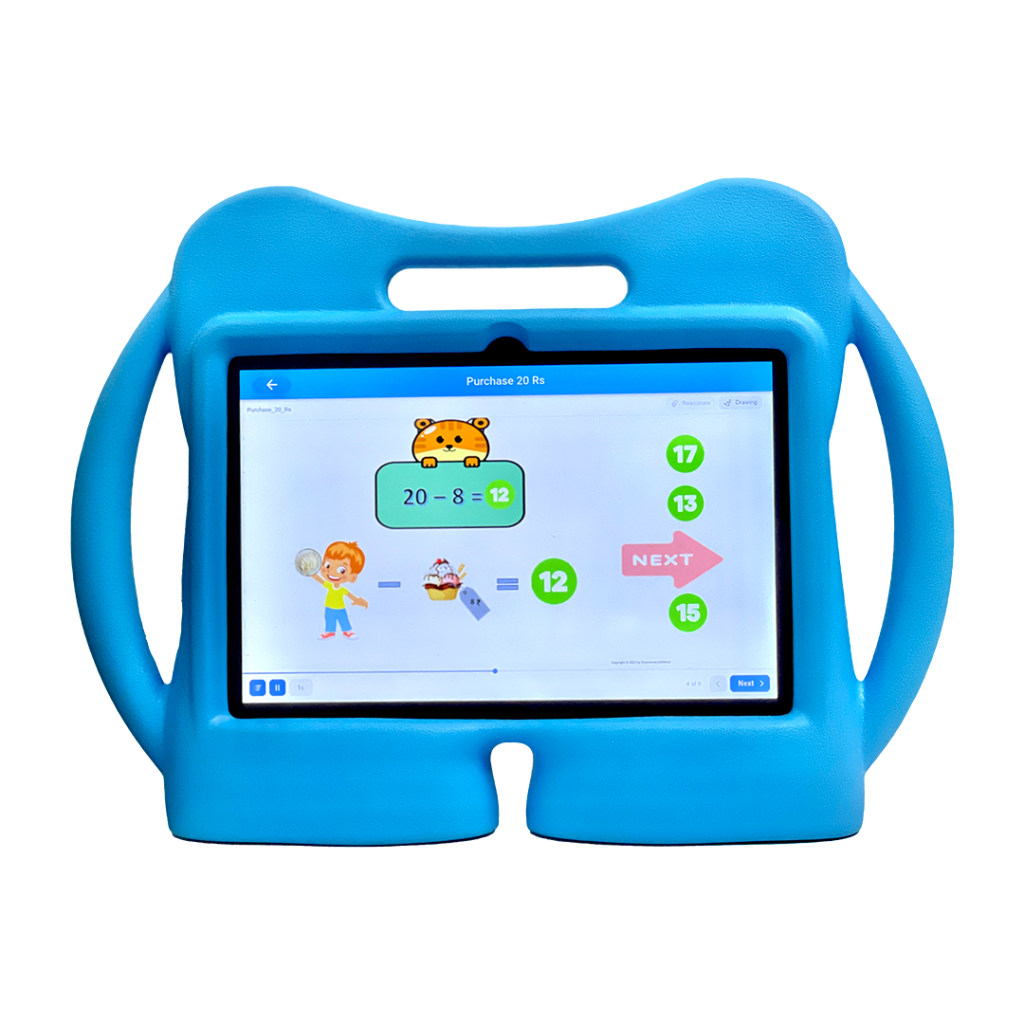
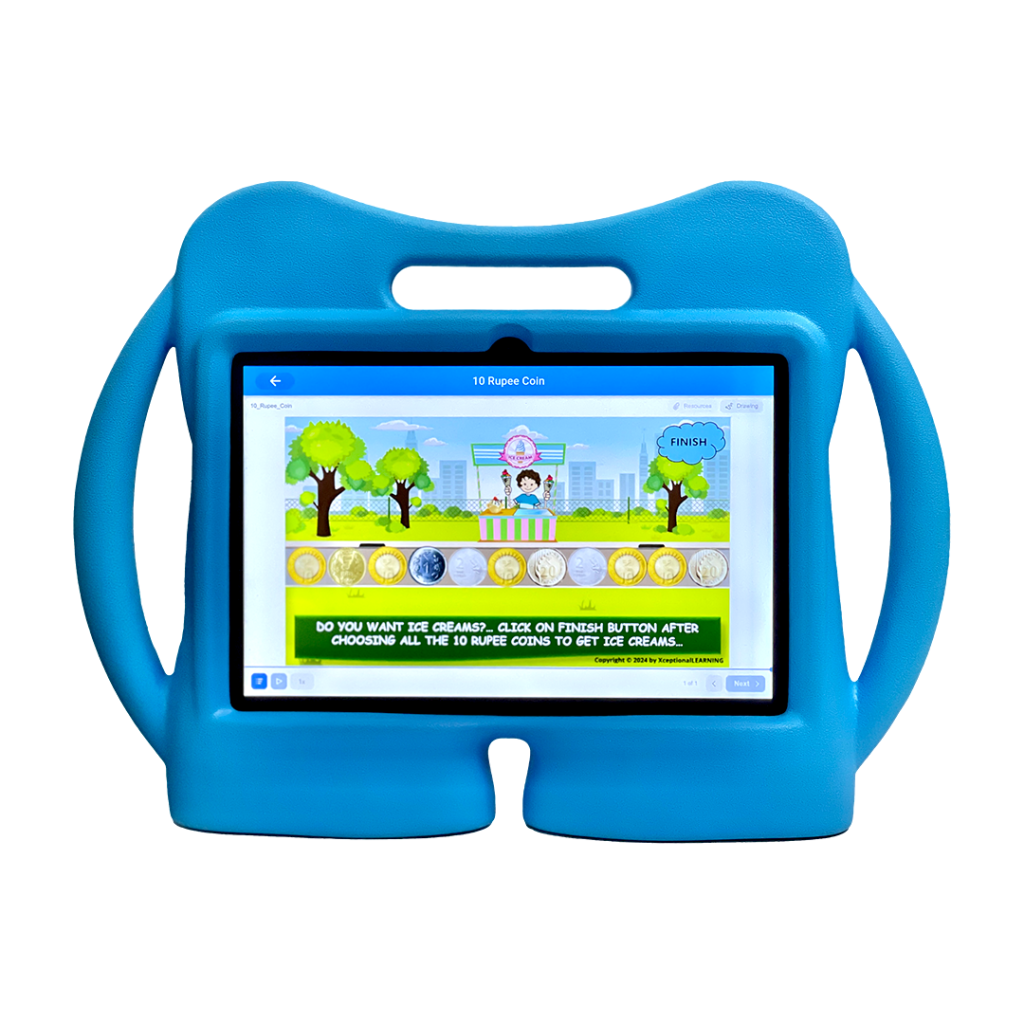
At the core of this model is VergeTAB, a digital activity book designed to enhance structured learning.

Within this approach:

  • Each student uses an individual device for focused engagement
  • Lessons are delivered through structured, interactive content
  • Teachers can guide, monitor, and manage activities in real time

For educators, this enables better classroom management and personalized instruction.
For parents, it ensures that learning is structured, monitored, and meaningful.

By combining teacher-led instruction with digital support, DESS creates a more inclusive and adaptive learning environment.

The Evolving Role of Teachers

Despite rapid technological advancement, teachers remain central to a child’s learning journey.

Today, educators are:

  • Facilitators of interactive learning
  • Guides for individualized learning paths
  • Users of digital tools to enhance understanding

Ongoing training and professional development are essential to help teachers effectively integrate technology into their teaching practices.

Challenges in the Transition

While digital transformation offers many benefits, schools may face challenges such as:

  • Limited infrastructure
  • Need for training and technical support
  • Adjustment to new teaching methods

With proper planning and collaboration between educators and parents, these challenges can be effectively managed.

The Future of Special Schools

The future of special education lies in combining traditional teaching strengths with digital innovation.

Special schools will continue to focus on:

  • Building independence and life skills
  • Enhancing social and communication abilities
  • Preparing children for real-world participation

With advancements in assistive and digital technologies, the potential to support children will continue to grow.

Conclusion

Special schools are evolving by integrating traditional teaching approaches with digital innovation to create more structured and effective learning environments.

Initiatives like DESS highlight how combining teacher-led instruction with tools like VergeTAB can significantly improve engagement, consistency, and learning outcomes.

By working together—educators, parents, and organizations—special schools can create empowering environments that support independence, confidence, and long-term development for children with special needs.

Need help choosing the right digital solution for your school or child?

Frequently Asked Questions

What is a digital therapy tablet in special education?

A digital therapy tablet is a specialized device designed to deliver structured, goal-based learning and therapy activities for children with special needs. It supports engagement, tracks progress, and enables personalized learning within a controlled environment.

How does digital therapy work with VergeTAB?

VergeTAB works exclusively with the XceptionalLEARNING platform, where therapy activities, lesson plans, and progress tracking are managed. Teachers and therapists can assign structured activities, monitor performance, and guide students in real time.

Can digital therapy replace traditional teaching?

No. Digital therapy supports teachers and therapists by enhancing engagement and consistency. The best results come from a hybrid therapy approach.

How does digital therapy improve learning outcomes in special education?

Digital therapy improves learning by providing consistent practice, visual and interactive activities, and real-time progress tracking. When combined with teacher-led instruction, it creates a hybrid learning model that enhances engagement, skill development, and overall outcomes.



How VergeTAB Builds Communication Skills: Intonation, Stress, Prosody, Idioms and Figurative Language

Reading Time: 3 minutes

Clinically Reviewed by

Kavya S Kumar

Speech Language Pathologist

When a child says, “I’m fine” in a flat tone, most listeners don’t really hear the word “fine.” They might sense confusion, discomfort, or even irritation. This shows just how important intonation, stress, and prosody are—they don’t just shape what we say, they shape how we’re understood.

For children with speech delays, autism, ADHD, developmental language disorders, or social communication challenges, these skills often don’t develop naturally. Understanding idioms and metaphors, like “break the ice” or “spill the beans,” can also be tricky without structured practice.

This is where VergeTAB, a distraction-free Digital Therapy Activity Device, becomes a game-changer. VergeTAB is a blank therapy tablet; all activities run through the XceptionalLEARNING platform, creating a safe, structured, and predictable learning environment.

Understanding the Core Concepts

  • Intonation – The rise and fall of the voice that changes how a message feels.
    Example: “Really?” (excited) vs “Really.” (disappointed)
  • Stress – Emphasizing different words to change a sentence’s meaning.
    Example: “I didn’t say you stole it.” (meaning changes depending on the stressed word)
  • Prosody – The rhythm, timing, pauses, loudness, and emotion of speech that helps convey feelings and intentions.
  • Idioms – Expressions that don’t mean exactly what the words say.
    Example: “He let the cat out of the bag.” → He revealed a secret.
  • Metaphors – Comparing two things in a poetic or imaginative way.
    Example: “Her voice is sunshine.”
  • Figurative Language – A wider category that includes idioms, metaphors, similes, personification, and more.

Why VergeTAB Works So Well  

1. Distraction-Free Learning  

VergeTAB runs only the XceptionalLEARNING platform—no games, YouTube, or pop-ups. Children stay focused on therapy activities without distractions.

2. Interactive, Audio-Rich Activities  

Children hear, see, and do:

  • Voice models and pitch variations
  • Emotional tones
  • Drag-to-match idioms
  • Tap-to-choose metaphors
  • Role-play scenarios
  • Social stories with clear voice cues

This hands-on approach makes learning fun, practical, and memorable.

3. Touch Interaction for Faster Learning  

Tapping, dragging, and repeating help children internalize abstract concepts, improving understanding, retention, and confidence.

4. Therapist-Designed Structure  

Activities move from simple → guided → independent mastery, helping children build skills step by step.

How VergeTAB Teaches Each Skill

Intonation

Goal: Help children understand the rise and fall of their voice.

Tools: Upward/downward arrows, neutral line, emoji faces, fast/slow playback

Activity: “Say It Like You Mean It” – “Are you coming?”
Listen to rising, flat, or excited tones and tap the correct one

Real-Life Scenario: Animation shows happy/inviting vs irritated tones; child selects correct tone

Skill Built: Helps children understand how intonation affects communication in daily social interactions.

Stress

Goal: Teach how emphasizing words changes meaning

Activity: “Which Word Changes the Meaning? – Tapping each word in “I didn’t say he stole the money” triggers an animation showing the new meaning.

Example:
Tapping HE highlights one specific boy.
Tapping I shows someone else speaking.

Skill Built: Makes abstract stress patterns visual and easy to understand, improving speaking clarity and listening comprehension.

Prosody

Goal: Teach rhythm, flow, and emotion in speech

Tools: Emotion avatars, rhythm waves, pause markers, speed bars

Activity: Match the Emotion – The sentence “I can do it!” is played in scared, confident, angry, and excited versions. Children match it to the correct avatar.

Skill Built: Children visualize prosody and begin expressing and understanding emotions more naturally.

Idioms

Goal: Teach expressions that aren’t literal

Example: “Break the ice”

Literal: a child breaking an ice block
Real meaning: two kids starting a conversation

Activity: Select the correct scenario.

Skill Built: Children learn idioms step by step.

Metaphors & Figurative Language

Goal: Make abstract comparisons understandable

Example: “He has a heart of gold.”

Literal picture: golden heart
Real meaning: kind/helpful person

Activity: choose the correct meaning → animation confirms

Skill Built: Children grasp metaphors and figurative language interactively.

Real-Life Therapy Examples on VergeTAB  

  • Intonation: Child hears “You did that?” (angry vs surprised) → taps correct tone
  • Idioms: Animation shows “Don’t spill the beans!” → child chooses the correct meaning
  • Prosody: Sentence “Wait… don’t… run!” → child selects correct pauses and rhythm

These activities let children practice language the way they use it in daily life, at school, at home, or with friends.

About XceptionalLEARNING Platform

The XceptionalLEARNING Platform powers every activity on VergeTAB. It is a comprehensive digital therapy system that offers:

  • structured learning flows
  • audio-rich activities
  • visual scaffolds
  • therapist-driven content
  • Digital Activity Books
  • personalized progress tracking

VergeTAB does not work like a normal tablet. It only works with XceptionalLEARNING — ensuring a safe and therapy-focused environment.

Conclusion  

Intonation, stress, prosody, idioms, metaphors, and figurative language no longer need hours of explanation. VergeTAB makes them clear, visual, interactive, and fun.

Children don’t just speak—they communicate confidently. Explore an Interactive Learning Device for Children, experience Hybrid Model Therapy, and access the Digital Therapy Device Guide to see how digital therapy can simplify communication and learning for every child. Contact us or book a demo today!

Why Some Children Struggle with Direction, Sequence, and Understanding Space — And How VergeTAB Helps

Reading Time: 4 minutes

Clinically Reviewed by

Chinnu Thomas 

Speech language pathologist

In classrooms and therapy sessions, some children struggle to understand direction, sequence, and spatial relationships. They may confuse left and right, have difficulty following multi-step instructions, or struggle to understand how objects relate to each other in space.

These challenges affect not only learning but also reading, writing, movement, and everyday task performance.

VergeTAB, used together with the XceptionalLEARNING platform, is implemented in schools and therapy centers to provide distraction-free, goal-based digital activities that help children strengthen spatial–temporal processing and cognitive–linguistic skills through structured, visual practice.
Talk to our team on WhatsApp

1. Why These Skills Matter in a Child’s Development  

Spatial–Temporal Processing  

Spatial–temporal processing helps children understand:

  • Where things are (spatial)
  • How they move or change over time (temporal)

It supports abilities like:

  • Understanding directions (under, behind, next to)
  • Solving puzzles
  • Following movement patterns
  • Building sequences
  • Completing multi-step tasks
  • Navigating daily routines

Children with strong spatial–temporal skills can plan, organize, and coordinate actions more confidently.

Cognitive–Linguistic Integration  

This skill combines thinking (cognitive) and language (linguistic) abilities to help children understand and express ideas.

It includes:

  • Categorization
  • Cause-and-effect understanding
  • Prediction
  • Storytelling
  • Event sequencing
  • Following complex instructions
  • Problem-solving through language

When these systems work together, children communicate better, understand more deeply, and learn faster.

Struggling to help your child improve spatial understanding, sequencing, or language processing?

VergeTAB offers structured activities that strengthen spatial-temporal thinking and cognitive-linguistic confidence.
Chat with our team on WhatsApp for guidance

2. How VergeTAB Boosts Spatial–Temporal Processing Skills  

VergeTAB provides interactive, focused activities designed to strengthen spatial–temporal abilities:

Interactive Visual Activities  

With the XceptionalLEARNING Platform, children explore visual tasks such as:

  • Drag-and-drop puzzles
  • Shape sorting
  • Object placement tasks
  • Pattern matching
  • Mazes and path-finding

This helps improve overall spatial awareness, strengthens core direction concepts like left/right and above/below, and builds strong visual problem-solving skills.

Sequencing and Time-Order Activities  

Spatial–temporal development depends on understanding order and timing. VergeTAB supports this through:

  • Picture sequencing
  • First–next–last activities
  • Step-by-step routines
  • Pattern progression
  • “What comes next?” tasks

These activities help children develop better prediction skills, strengthen logical thinking, and understand multi-step instructions more confidently.

Spatial Orientation Tasks  

Children learn and practice essential spatial concepts such as:

  • Left–right, top–bottom, inside–outside, far–near, over–under, turn directions

This improves body awareness, supports early maths and science learning, and helps children position their writing and classroom materials correctly.

Movement and Direction-Based Games  

Through interactive movement-based tasks, children develop:

  • Understanding of fast/slow, up/down, in/out
  • Predicting object movement
  • Following directional arrows
  • Identifying changes in position

This strengthens motor planning, enhances observation, and improves overall analytical thinking related to movement and change.

Visual–Motor Integration Activities  

To connect thinking, vision, and movement, VergeTAB includes:

  • Tracing
  • Drawing paths
  • Completing outlines
  • Copying patterns
  • Connecting dots

Helps boost hand–eye coordination, supports writing readiness, and increases accuracy and control in fine-motor tasks.

Clutter-Free, Focused Interface  

Unlike regular tablets:

  • VergeTAB shows only therapy content
  • No distracting apps
  • No ads or pop-ups
  • No accidental exits

This helps children stay focused for longer, improves attention, and creates a consistent learning environment ideal for spatial–temporal development.

In real therapy and classroom environments, spatial awareness, sequencing, and directionality skills are practiced using VergeTAB in a controlled, distraction-free setup designed specifically for special education and therapy use. Schools and clinics use VergeTAB along with XceptionalLEARNING to ensure structured skill development and measurable progress.
See how VergeTAB works in real sessions

3. How VergeTAB Supports Cognitive–Linguistic Integration  

VergeTAB also enhances language and cognitive skills by pairing visual, interactive content with structured activities:

Vocabulary-Building Activities  

Children interact with:

  • Naming tasks
  • Picture-word matching
  • Category sorting
  • Everyday vocabulary games

These exercises expand word knowledge, strengthen understanding of concepts, and build stronger communication skills.

Listening and Comprehension Tasks  

The therapist can assign:

  • Audio instructions
  • Story comprehension activities
  • Question-answer tasks

These tasks improve listening, enhance understanding of spoken language, boost memory, and increase attention.

Sentence Formation and Storytelling Activities  

Children work on:

  • Arranging words into sentences
  • Selecting pictures to build a story
  • Choosing the correct grammar structures

These activities strengthen expressive language, build logical thinking, and improve the organization of thoughts.

Cognitive Skill-Building Games  

These include:

  • Memory games
  • Sorting tasks
  • Attention-boosting activities
  • Problem-solving puzzles
  • Matching games

These games enhance working memory, improve concentration, encourage independent thinking, and support better classroom performance.

Following Multi-Step Instructions  

Children complete multi-step tasks such as

  • Dragging objects in a specific order
  • Performing sequences based on audio prompts

This improves working memory, processing speed, language comprehension, and the ability to follow instructions independently.

4. Examples of Activities on VergeTAB for Both Skills Together  

These are activities specifically designed to strengthen spatial–temporal and cognitive-linguistic skills simultaneously:

  • Spatial–Linguistic Games: Learning prepositions like under, over, next to, behind, and in front of using pictures and drag-and-drop tasks.
  • Sequencing With Language: Placing pictures in order while describing actions; improves order, vocabulary, time concepts, and grammar.
  • Categorization and Sorting: Sorting items (fruits, animals, shapes) to strengthen thought organization, visual understanding, and language concepts.
  • Story-Based Problem Solving: Digital stories where children predict next steps, choose outcomes, and answer questions; enhance reasoning, sequencing, and language skills together.

Benefits: Strengthens spatial reasoning, language comprehension, sequencing, problem-solving, and concept understanding.

5. How VergeTAB Helps Different Age Groups  

  • Toddlers (2–5 Years): Shape identification, simple puzzles, picture naming, and basic memory games.
    Key Skills: visual recognition, early problem-solving, vocabulary, memory
  • Preschool & Early School Age (6–9 Years): Sequencing, grammar building, visual–motor tasks, and story comprehension.
    Core Abilities: language development, sequencing, coordination, comprehension
  • Older Children (10–14 Years): Problem-solving, higher-order thinking, vocabulary expansion, and spatial planning tasks.
    Essential Competencies: critical thinking, advanced language, spatial reasoning, planning

6. Real-Life Benefits of VergeTAB for Children  

  • Better Understanding of Space and Position: Improves spatial awareness, directions, and handwriting.
  • Improved Order and Sequencing: Enhances planning, multi-step execution, and organizational skills.
  • Enhanced Vocabulary and Language: Boosts vocabulary, sentence formation, and expressive communication.
  • Stronger Thinking and Reasoning: Strengthens memory, attention, problem-solving, and logical thinking.

Case Example

Arjun, a 6-year-old with expressive language delays and sequencing difficulties, struggled during therapy.

  • Week 1: Explored sequencing games, completing routines like “wake up → brush teeth → eat breakfast.”
  • Week 4: Followed two-step instructions independently.
  • Week 8: Told simple stories, e.g., “Boy is running. He fell. Mama helped.”

Outcome: Clear improvements in temporal understanding, expressive language, attention span, and confidence. The structured, predictable digital environment enabled Arjun to process information effectively and communicate clearly.

7. Conclusion  

VergeTAB is more than just a tablet — it is a structured learning companion designed to strengthen spatial–temporal processing and cognitive–linguistic integration in children. If your school or clinic is looking for a practical way to help children improve direction, sequencing, and spatial understanding using a dedicated therapy device, VergeTAB provides a safe, guided, and distraction-free digital environment built specifically for special education and therapy.
Request a VergeTAB Demo
Talk to our team on WhatsApp for institutional enquiries

Children Not Applying What They Learn? How VergeTAB Builds Concept Generalization

Reading Time: 5 minutes

Clinically Reviewed by

Shilna S

Hybrid Rehabilitation Social Worker

In classrooms and therapy sessions, educators often notice that children can perform an activity correctly during practice but fail to apply the same concept in a different situation. This difficulty in concept generalization is a common challenge for children with learning and developmental difficulties.

Worksheets and isolated exercises may help children complete tasks, but they do not always help children transfer learning to real-life situations.

VergeTAB, used together with the XceptionalLEARNING platform, is implemented in schools and therapy centers to provide distraction-free, goal-based digital activities that help children practice concepts in multiple formats, improving their ability to apply learning across situations.
Talk to our team on WhatsApp

What Is Concept Generalisation?

Simply put, concept generalisation means using what a child has learned in one place across different people, situations, and materials.

Examples:

  • A child who learns about fruits during therapy should recognise fruits in a picture book, at the market, or at lunch.
  • A student practising turn-taking during a digital activity should use that skill while playing with friends.

This transfer of learning is what makes therapy truly effective. Yet, it’s often the hardest goal to achieve — especially for children with autism, ADHD, developmental delays, or communication difficulties. They may learn well within structured sessions but need extra support to connect lessons to daily life.

VergeTAB bridges this gap — linking digital learning to real-world understanding.
Chat with our team on WhatsApp for guidance

How VergeTAB Builds Concept Generalisation: Step by Step

1. Introducing Concepts in a Fun, Visual Way

Learning starts with engagement. VergeTAB uses interactive visuals and sounds to introduce new ideas.

Example: Teaching Colours

  • The therapist opens a digital activity with colourful fruits, shapes, and toys.
  • When the child taps the correct colour, VergeTAB gives cheerful feedback: “That’s red! Well done!”

Practical Application:
After the digital activity, the therapist asks the child to point out red objects in the room — a red chair, pencil, or apple. This simple step connects digital recognition with real-world identification.

2. Strengthening Concepts Across Different Contexts

VergeTAB lets children see the same concept in multiple ways, helping them generalise naturally.

Example: Learning About Animals

  • On VergeTAB, the child matches animal sounds with pictures.
  • Later, they watch real-life clips of the same animals.
  • During playtime, soft toys or flashcards are used to test recall.

Each step introduces a new context, ensuring the child isn’t just memorising — they’re truly understanding.

3. Multi-Sensory Engagement for Deeper Understanding

Children learn best when multiple senses are involved. VergeTAB combines sight, sound, and touch to form stronger brain connections.

Example: Shapes Activity

  • The child drags a triangle into its matching outline.
  • A gentle vibration signals an incorrect move; applause plays on success.
  • Afterwards, they identify triangles in the classroom — perhaps a sandwich slice or a signboard.

This approach makes abstract ideas concrete and easier to remember.

4. Repetition Through Variety

Repetition is crucial, but it doesn’t have to be boring. VergeTAB presents the same concept in fresh, creative ways.

Example: Concept – Big and Small

  • Day 1: Sort big and small fruits on VergeTAB.
  • Day 2: Compare real objects in therapy.
  • Day 3: Watch a story animation with big and small animals.

By the end of the week, the child begins to use “big” and “small” naturally in conversation.

5. Applying Learning in Real-Life Scenarios

The ultimate goal of concept generalisation is real-world application. VergeTAB prepares children for this transition.

Example: Learning About Emotions

  • VergeTAB shows animated faces displaying happiness, anger, or sadness.
  • The therapist asks the child to imitate each expression.
  • During play or class, the child identifies the same emotions in peers.

When digital learning translates into daily emotional awareness, true concept generalisation is achieved.

Practical Case Examples

Case 1: Arjun, Age 5 — Learning “Opposites”

Challenge: Arjun understood “up” and “down” in therapy but not during play.
VergeTAB Activity: “Up-Down Balloon Game” — tap balloons to move up or down.
Real-Life Integration: The therapist asked Arjun to lift and drop blocks, saying “up” and “down.”
Result: After a week, Arjun used “up” and “down” spontaneously at home.

Case 2: Riya, Age 7 — Learning “Same and Different”

Challenge: Riya could match identical pictures but not objects in her environment.
VergeTAB Activity: Activities showing slightly different objects (colours, patterns).
Follow-Up: Therapist used her lunch box and toys for comparison.
Result: Within 10 sessions, Riya categorised toys and clothes by “same/different” without cues.

Key Takeaway: VergeTAB turns abstract language into action-based understanding.

In real therapy and classroom environments, concept generalization skills are practiced using VergeTAB in a controlled, distraction-free setup designed specifically for special education and therapy use. Schools and clinics use VergeTAB along with XceptionalLEARNING to ensure structured skill development and measurable progress.
See how VergeTAB works in real sessions

Practical Tips for Therapists Using VergeTAB

  • Start Digital, Then Shift to Real Life: Introduce concepts on VergeTAB, follow with physical activities.
  • Use In-Built Rewards: Sounds, visuals, and star rewards keep children motivated.
  • Involve Parents: Parents can access activities at home via XceptionalLEARNING for consistent practice.
  • Plan Gradual Difficulty Levels: Begin with identification, then classification, then real-world use.
  • Integrate Across Therapies: Speech + OT, Behavioural + Academic, Special Education goals — all can be linked digitally.

Benefits of VergeTAB  

  • Structured, Distraction-Free Learning: No random apps or ads to disrupt focus.
  • Personalised Sessions: Tailor activities to each child’s learning needs.
  • Improved Engagement: Interactive feedback makes therapy fun.
  • Continuity Across Home and School: Seamless integration via XceptionalLEARNING.
  • Accurate Progress Tracking: Data-backed insights guide therapy decisions.

Maximising Concept Generalisation  

  • Introduce a concept digitally, then apply it in real life.
  • Use multiple examples to strengthen understanding.
  • Encourage verbal labelling during digital activities.
  • Vary materials, people, and settings.
  • Record post-session observations to track skill use outside therapy.

VergeTAB and the XceptionalLEARNING Ecosystem

The real power of VergeTAB comes from its integration with XceptionalLEARNING, which provides:

  • Goal-linked therapy sessions across speech, occupational, and behavioural domains.
  • Performance analytics to measure concept retention and transfer.
  • Therapist-parent collaboration tools for consistent support.
  • Digital Therapy Activities designed for concept learning, sensory skills, and communication.

Together, they create a digital bridge between therapy sessions and everyday life.

The Future of Learning and Therapy

Concept generalization used to be one of the toughest milestones in therapy. But with VergeTAB, therapists now have a tool that makes it practical, measurable, and engaging.

As digital therapy becomes the new normal, VergeTAB ensures children aren’t just learning on screens — they’re learning for life. It’s not about replacing traditional methods but enhancing them through interactive technology that strengthens real-world understanding.

Conclusion

VergeTAB, powered by XceptionalLEARNING, is changing how children learn and generalise concepts. It transforms therapy into an exploration journey, where digital learning seamlessly connects with real-world skills.
For therapists, educators, and parents who want more meaningful therapy outcomes, VergeTAB is the next step forward. If your school or clinic is looking for a practical way to help children apply what they learn across different situations using a dedicated therapy device, VergeTAB provides a safe, guided, and distraction-free digital environment built specifically for special education and therapy.
Request a VergeTAB Demo
Talk to our team on WhatsApp for institutional enquiries

Exploring Science, Technology, Engineering, and Mathematics (STEM) Therapy with VergeTAB for Learning and Development

Reading Time: 5 minutes

Clinically Reviewed by

Meha P Parekh

Special Educator, Digital Practitioner – SPED

In today’s academic settings, STEM (Science, Technology, Engineering, and Mathematics) has become the base on which education is essentially built. And rightly so, because they build critical thinking, spatial awareness, problem-solving, and logical reasoning. But when it comes to children with diverse needs, how can we bring STEM into the picture?

That’s where VergeTAB, powered by the XceptionalLEARNING platform, comes in. This secure, distraction-free tablet is more than a device—it’s a bridge between complex learning and digital therapy. Using interactive visuals, drag-and-drop logic tasks, and skill-based challenges, VergeTAB helps children engage with STEM content in a supportive environment.

STEM concepts are thus integrated into therapy using VergeTAB—not to teach formulas, but to build life-ready skills such as logic, problem-solving, prediction, and emotional control.

Why STEM in Therapy?

STEM learning builds exploration, hands-on thinking, and logic. For children with developmental delays, speech disorders, autism, or attention issues, it offers a safe, structured way to understand the world. Instead of memorizing, children learn to observe, ask questions, and solve problems.

In therapy, this boosts:

  • Visual-spatial awareness
  • Language comprehension
  • Fine motor coordination
  • Social interaction
  • Cognitive flexibility
  • Attention and memory

With VergeTAB, these skills grow through engaging, therapy-focused tasks.

Hands-On STEM Activities for Therapy

Integrating STEM (Science, Technology, Engineering, and Mathematics) concepts into therapy sessions helps children develop critical thinking, creativity, and problem-solving skills. Using VergeTAB, these activities merge education with therapy, making learning interactive, multisensory, and fun.

1. Interactive Water Cycle Lab

STEM Area: Science + Technology
Skill Focus: Sequencing, cause-effect reasoning, auditory processing, fine motor skills

Activity:
Children use VergeTAB to arrange animated stages of the water cycle—evaporation, condensation, precipitation, and collection. Includes voice narration, sound effects, and challenge mode to match terms or explain steps aloud.

Therapy Focus:
Enhances language comprehension, sequencing, auditory memory, and fine motor control. Ideal for speech, cognitive, and occupational therapy sessions.

2. Interactive Plant Growth Lab

STEM Area: Science + Technology
Skill Focus: Observation, sequencing, vocabulary development, fine motor skills

Activity:
Children use VergeTAB to explore an animated seed-to-plant journey. At each stage—seed, sprout, leaves, flower—they match names, trace shapes, and answer simple questions. The activity includes guided narration and drawing prompts to explain the growth process.

Therapy Focus:
Strengthens expressive language, sequencing, and scientific vocabulary. Supports fine motor coordination and visual tracking—ideal for speech and occupational therapy sessions.

3. Digital Block Tower Builder

STEM Area: Engineering + Mathematics
Skill Focus: Sequencing, shape recognition, fine-motor precision, counting

Activity:
Children drag-and-drop digital blocks in various shapes and sizes to build colourful towers or walls on VergeTAB. They follow simple patterns or create their own designs, and the app cheers successful stacking while gently guiding adjustments after collapses.

Therapy Focus:
Builds visual-spatial skills, shape identification, and counting abilities. Supports hand-eye coordination and frustration tolerance—ideal for cognitive, speech, and occupational therapy.

4. Computer Parts Colouring Game

STEM Area: Technology + Visual Art
Skill Focus: Identification, colour matching, fine motor skills

Activity:
Children are presented with a large outline drawing of a computer featuring the monitor, keyboard, mouse, CPU/tower, and speakers. As each part is requested—for example, “Colour the keyboard blue” or “Find and colour the monitor green”—learners identify the correct area and fill it in using their chosen colour, either with crayons or a digital colouring tool. Additional prompts may ask students to label each part after colouring for reinforcement.

Therapy Focus:
Supports hardware identification, visual discrimination, and sequencing. Strengthens fine motor skills, concentration, and colour recognition. Particularly beneficial for learners with motor planning challenges, special needs, or early technology education.

5. Body Part Simon Says (Digital or Physical)

STEM Area: Basic Technology + Life Science
Skill Focus: Listening, following instructions, body part identification

Activity:
Use VergeTAB or similar digital tools for an interactive version: the app gives commands like “Touch your nose” or “Wiggle your fingers,” with voice prompts and engaging animations. In group play, children imitate the actions, with added challenge by only responding when “Simon says.”

Therapy Focus:
Encourages body awareness, receptive language, self-control, and visual-motor integration—especially beneficial in speech therapy and early childhood settings.

6. Solar System Mathematics Quest

STEM Area: Science + Mathematics
Skill Focus: Counting, size comparison, pattern recognition, numerical reasoning

Activity:
Children explore a digital solar system on VergeTAB, solving math puzzles tied to each planet. For example, “How many moons does Mars have?” or “Arrange planets by size or distance.” Interactive clues and mini-games reinforce number sense and scientific facts.

Therapy Focus:
Builds mathematics fluency, encourages cognitive flexibility, and strengthens memory. Also supports attention and auditory processing—ideal for speech-language and special education sessions.

7. Symmetry Explorer Puzzle

STEM Area: Mathematics + Engineering
Skill Focus: Visual symmetry, spatial reasoning, problem-solving, pattern analysis

Activity:
Children use VergeTAB to solve interactive puzzles by completing half-drawn symmetrical images using digital geometric shapes. The application provides visual cues and flipping/mirroring tools to help children explore reflective and rotational symmetry. Challenges range from simple shapes to complex symmetrical designs.

Therapy Focus:
Enhances spatial awareness, fine motor precision, and mathematical reasoning. Encourages pattern recognition, planning skills, and visual-motor integration—ideal for cognitive, occupational, and speech therapy sessions.

8. Parts of the Eye Identification Game

STEM Area: Life Science + Physiology
Skill Focus: Observation, part identification, visual matching

Activity:
Provide children with a simplified diagram of the human eye, highlighting key parts such as the cornea, iris, pupil, lens, retina, sclera, optic nerve, and vitreous body. Prompts ask the learner to colour or point to each part as it is named (e.g., “Colour the iris blue,” “Find and colour the optic nerve yellow”). Optionally, children can label each part or match simple icons showing a function (like “sees colour” for iris).

Therapy Focus:
Reinforces anatomy knowledge, visual discrimination, and following instructions. Supports fine motor skills, memory, and vocabulary—well suited for occupational and cognitive therapy focused on science learning.

9. Eco-Builder Simulation – Balanced Ecosystem

STEM Area: Science + Technology + Engineering
Skill Focus: Systems thinking, decision-making, ecological balance

Activity:
Children design digital ecosystems by adding water, plants, herbivores, and carnivores using VergeTAB. The simulation responds to imbalances like overgrowth or extinction, encouraging logical revision of choices.

Therapy Focus:
Builds cognitive flexibility, strategic thinking, and problem-solving skills. Supports executive functioning and environmental awareness.

10. Garden Manager Simulation

STEM Area: Engineering + Science + Technology
Skill Focus: Classification, basic botany, sequencing, decision-making

Activity:
Children use VergeTAB to care for a digital garden by choosing the right tools and resources (like sunlight, water, compost) for different types of plants. They classify plant needs, respond to weather conditions, and maintain garden health using an interactive dashboard.

Therapy Focus:
Builds sequencing skills, environmental awareness, and logical reasoning. Supports attention, vocabulary development, and fine motor control—perfect for early occupational, cognitive, and speech therapy sessions.

The VergeTAB Advantage in Therapy

Unlike standard classroom tablets, VergeTAB is built specifically for therapy and special education. When paired with the XceptionalLEARNING Platform, it becomes a powerful engine for:

  • Multisensory Interface: Touch, drag, sound, and visual elements enhance learning for all cognitive levels.
  • Distraction-Free Focus: With no external games or ads, VergeTAB keeps children on task during STEM activities.
  • Therapist-Centered Flexibility: Activities adapt to therapy goals—whether cognitive, motor, or social-emotional.
  • Visual & Language Accessibility: Icons, instructions, and recorded speech options help non-readers or language-delayed children fully engage.

What Do Children Learn?

  • Life Skills: Children learn to try, fail, and try again, building problem-solving and resilience.
  • Social Growth: Activities promote turn-taking, sharing, and peer communication.
  • Therapy Goals: Supports focus, motor control, language, and executive function.

Conclusion

STEM-based activities aren’t just educational—they’re therapeutic. With VergeTAB powered by XceptionalLEARNING, therapy sessions become more engaging, adaptive, and meaningful. Empower your therapy sessions with a tool that understands both education and therapy. Whether you’re a therapist, teacher, or parent, VergeTAB helps you bridge learning gaps with confidence and creativity.

Discover how this Interactive Learning Device for Children transforms STEM therapy through hands-on digital activities, making it easier to meet developmental milestones while building a love for learning. Explore VergeTAB today and bring therapy-driven STEM learning to your classroom or clinic. Contact us to learn how our Digital Therapy Activity Device, custom therapy content, and hybrid solutions can support your learners’ development.

To explore more insights, visit our blogs and therapy videos to see how VergeTAB and XceptionalLEARNING are transforming digital therapy for children.

Algebra Is Confusing for Many Students—How VergeTAB Makes It Visual and Easy to Understand

Reading Time: 6 minutes

Clinically Reviewed by

Ann Mary Jose

Special Educator

In classrooms and therapy sessions, many children struggle to understand algebra because it feels abstract, symbolic, and disconnected from real-life meaning. Letters, variables, and equations can easily confuse learners, especially those with learning difficulties.

Traditional teaching methods often rely on memorization rather than helping children see how algebra works, which leads to frustration and low confidence.

VergeTAB, used together with the XceptionalLEARNING platform, is implemented in schools and therapy centers to provide distraction-free, goal-based digital activities that make algebra visual, interactive, and easier to understand through guided practice.
Talk to our team on WhatsApp

Why Algebra Matters 

  • Builds reasoning by helping children understand relationships between numbers.
  • Encourages problem-solving through breaking complex problems into steps.
  • Supports higher learning and real-world applications.
  • Develops abstract thinking beyond counting to working with unknowns.

Below, we explore how algebraic concepts can be taught step by step, moving from traditional problem-solving methods to VergeTAB’s unique visual approach, thus ensuring children not only solve problems but also understand and apply concepts in daily life. 

Why Visualization Matters in Special Education Mathematics

Children with special needs often process information differently. Visualization helps them connect concepts, repeat learning safely, and gain confidence.

  • Makes abstract concrete
    • Numbers and symbols become stories, objects, and interactive activities.
    • Patterns appear as colourful sequences that children can move, hear, or build.
    • Algebra shifts into balance puzzles rather than intimidating equations.
  • Reduces mathematical-related anxiety
    • Learning feels like discovery and play instead of pressure.
    • Mistakes are reframed as learning opportunities, not failures.
  • Supports therapy goals
    • Strengthens attention, sequencing, memory, and problem-solving.
    • Builds confidence in parallel with academic skills.

Skills like attention to detail, conceptual understanding, confidence with abstract ideas, step-by-step reasoning, and growing independence are strengthened through this process.

Why VergeTAB Stands Out 

  • Blank Tablet, Focused Learning: No distractions, only therapy-based activities.
  • Therapy-First Design: Integrates with XceptionalLEARNING platform, aligned with developmental goals.
  • Safe Environment: Children learn at their own pace, gaining confidence with instant visual feedback.

With VergeTAB, children can approach and solve algebraic problems more effectively and independently, supported by visualization and therapy-aligned design.
Chat with our team on WhatsApp for guidance

1. Understanding Algebraic Thinking Through Patterns 

Standard Mathematical Approach (Paper Method)  
  •  Complete the sequence 3, 6, 9, __, 15.
    • Step A — Observe: Difference between terms is +3.
    • Step B — Rule Formation: Each number increases by 3.
    • Step C — Solve: 9 + 3 = 12. The missing term is 12.
How VergeTAB Makes It Visual  
  • Initial Presentation:
    • Activity “Hop by Three” shows tiles 3, 6, 9, __, 15.
    • Audio prompt: “What number comes next if we keep adding three?”
  • Scaffolding:
    • Model Rule: Animation highlights +3 hops with voice cues.
    • Guided Attempt: Child drags candidate tiles (10, 12, 13). Wrong choice = gentle feedback.
    • Self-Correction: Correct answer (12) reinforced with sparkle and audio.
Generalization Example:
  • Problem: Start at 4 and add three—find the next three numbers.
    • Paper solution: 4, 7, 10, 13.
    • On VergeTAB:
      • Animation hops +3 from 4 onward.
      • The child fills in the missing tiles step by step.
      • Device logs accuracy and time for therapist review.

Skills Developed: sequencing, pattern recognition, attention, and rule extension

2. Introducing Variables in Simple Algebra  

Standard Mathematical Approach (Paper Method)  
  • Problem Example: Solve x + 4 = 7.
    • Step A: Unknown + 4 =7.
    • Step B: Subtract 4 from both sides → x = 3.
How VergeTAB Makes It Visual  
  • Initial Presentation:
    • Blank slot shows equation: □ + 4 = 7.
    • Audio prompt: “What number should go here to make seven?”
  • Scaffolding:
    • Concrete Visuals: 7 objects shown; 4 highlighted; gap remains.
    • Guided Attempt: Options (2, 3, 5). Wrong = mismatch animation.
    • Self-Correction: Correct choice (3) completes the set with reinforcement.
Generalization Example:
  • Problem: Solve x + 5 = 9.
    • Paper method: 9 – 5 =4, so x = 4.
    • On VergeTAB:
      • The basket shows 9 fruits, 5 highlighted, 4 missing.
      • Child drags 4 into a blank tile.
Complex Problem (10–12 yrs):
  • Problem: Solve x – 7 =15.
    • Paper method: Add 7 to both sides → x = 22.
    • On VergeTAB:
      • Shows 15 objects + missing section labeled “7 more.”
      • Child explores until the total = 22.

Skills Developed: balancing, logical reasoning, and fluency with basic equations

3. Applying Algebra to Real-World Word Problems  

Standard Mathematical Approach (Paper Method)  
  • Sara has 5 apples. She buys x more. Now she has 8. How many did she buy?
    • Step A: 5 + x = 8.
    • Step B: Solve → x = 3.
How VergeTAB Makes It Visual  
  • Initial Presentation:
    • Sara’s basket has 5 apples; the target basket shows 8.
    • Blank slot for missing apples.
  • Scaffolding:
    • Model: Animation adds apples.
    • Guided Attempt: Options 2, 3, 4. Wrong = incomplete basket.
    • Self-Correction: Correct = 3 apples, audio reinforcement.
Generalization Example:
  • Problem: Tom has 10 balloons, gives away y, now he has 6. How many did he give away?
    • Paper method: 10 – y = 6 → y = 4.
    • On VergeTAB: Balloons disappear one by one until 6 remain; the child fills in the missing value.
Complex Problem (10–12 yrs):
  • Problem: A toy costs 25. You pay with a 50 note. How much change do you get? Represent with algebra.
    • Paper method: 50 – x = 25 → x = 25.
    • On VergeTAB:
      • Coins animate dropping into slots.
      • Child drags “25” as the missing change.

Skills Developed: bridges real-life problem-solving with algebra, strengthens symbolic thinking, and builds practical independence.

4. Building Multi-Step Algebraic Reasoning  

Standard Mathematical Approach (Paper Method)  
  • Solve 2x + 3 = 9.
    • Step A: Subtract 3 → 2x = 6.
    • Step B: Divide by 2 → x = 3.
How VergeTAB Makes It Visual  
  • Initial Presentation:
    • Shows two baskets + 3 =9 total.
    • Audio: “What number in each basket makes this true?”
  • Scaffolding:
    • Model: Visual objects split across two baskets + extras.
    • Guided Attempt: Options for x (2, 3, 4). Wrong = mismatch.
    • Self-Correction: Correct = x = 3, animation confirms.
Generalization Example:
  • Solve 3x + 2 = 11.
    • Paper method: 3x = 9 → x = 3.
    • On VergeTAB:
      • Three baskets + 2 extra = 11.
      • The child distributes objects equally.
Complex Problem (10–12 yrs):
  • Solve 4x – 5 = 15.
    • Paper method: 4x = 20 → x = 5.
    • On VergeTAB:
      • The visual shows 4 groups with 5 removed.
      • Child adjusts until balanced at 15.

Skills Developed: multi-step reasoning, abstract manipulation, and confidence with symbolic equations.

In real therapy and classroom environments, algebra concepts are practiced using VergeTAB in a controlled, distraction-free setup designed specifically for special education and therapy use. Schools and clinics use VergeTAB along with XceptionalLEARNING to ensure structured skill development and measurable progress.
See how VergeTAB works in real sessions

Real-Life Applications of Algebra for Children with Special Needs  

  • Budgeting: Counting how much money is needed if an item costs x and they already have some money.
  • Time Management: Solving “If school starts in 30 minutes and it takes y minutes to get ready, how much time is left?”
  • Social Skills: Predicting outcomes like “If three friends each bring x toys, how many toys are there in total?”
  • Daily Routines: Understanding sequences: “If brushing takes 5 minutes and breakfast takes x minutes, the total is 20. How long is breakfast?”

Makes algebra functional by connecting problem-solving to everyday independence, confidence, and adaptive skills.

Practical Tips for Parents, Educators, and Therapists  

  • Start small, progress gradually.
    • Begin with colours, shapes, or toys before introducing numbers and letters.
  • Use VergeTAB daily in short sessions.
    • 10–15 minutes of focused activity every day is more effective than occasional long sessions.
  • Encourage exploration over correctness.
    • Mistakes are valuable learning opportunities. VergeTAB’s feedback is gentle and non-judgmental.
  • Blend offline and digital.
    • Reinforce skills with real-life objects like blocks, fruits, or beads alongside VergeTAB activities.
  • Collaborate with therapists
    • The XceptionalLEARNING Platform ensures that progress can be shared and tracked by professionals, making therapy more effective.

Why This Matters for Special Needs Learners  

  • Children with developmental delays often need multiple ways to understand the same idea.
  • By solving the problem first with real-life objects or verbal reasoning, and then visualizing it on VergeTAB, they link thinking to doing.
  • This not only makes mathematics easier but also reduces frustration and builds confidence.

A Tool for Therapists, Educators, and Parents  

VergeTAB does not replace human teaching—it enhances it.

  • For Therapists: Activities are therapy-aligned, reinforcing goals in occupational, speech, or developmental sessions.
  • For Educators: Mathematics lessons come alive, making classroom participation easier for children with delays.
  • For Parents: Families can use VergeTAB at home to practice what was learned in therapy, turning daily life into a learning opportunity.

With XceptionalLEARNING integration, everyone stays connected—progress can be tracked, shared, and celebrated across home, school, and therapy sessions.

Conclusion

Algebra is more than solving equations—it is a way of seeing patterns, balancing relationships, and making sense of the world. If your school or clinic is looking for a practical way to help children understand algebra using a dedicated therapy device, VergeTAB provides a safe, guided, and distraction-free digital environment built specifically for special education and therapy.
Request a VergeTAB Demo
Talk to our team on WhatsApp for institutional enquiries

Students Confused by Fractions and Estimation in Special Education? How VergeTAB Makes These Math Concepts Easy

Reading Time: 6 minutes

Clinically Reviewed by

Ann Mary Jose

Special Educator

Ever since the inception of the modern school system, one subject that most of us and our children have struggled with time and again might be Mathematics. Most students try for an easy way out, and avoid the subject as soon as elective options come by. 

Mathematics can be challenging for any child, but even more so for those in special education. They may require extra time, personalized strategies, and visual support to grasp even the basic concepts. Topics like fractions, estimation, and probability can be particularly tricky, since they go beyond simple counting and require deeper conceptual understanding. However, introducing these concepts in ways that are relatable, visual, and engaging helps children to not only learn them better but also begin to apply them in real-life situations.

Here is where VergeTAB, powered by the XceptionalLEARNING Platform becomes highly relevant and useful. Designed with the unique needs of special education learners in mind, VergeTAB makes these complex functions easy to grasp through interactive visuals, guided steps, and engaging practices. Schools use VergeTAB with the XceptionalLEARNING platform to provide distraction-free, goal-based visual math activities that help children understand fractions, estimation, and probability through guided, interactive practice.
Talk to our team on WhatsApp

Why Fractions, Estimation, and Probability Matter in Everyday Life  

  • Fractions help children break things into portions, whether it’s food, objects, or minutes.
  • Estimation helps them make quick decisions like “Do I have enough money to buy this toy?”
  • Probability helps them predict outcomes, understand fairness in games, and prepare for everyday choices.

For children in special education, this easier and attractive way of learning paves a smoother way. For them, these lessons go beyond school exams—they build independence, confidence, and real-world problem-solving. 

VergeTAB, in addition to making learning an interesting experience in general, turns these seemingly abstract and difficult concepts into visual, interactive experiences that the children look forward to. 
Chat with our team on WhatsApp for guidance

Making mathematics simple, engaging, and interactive with VergeTAB
Transforming mathematics education through visual, interactive experiences on VergeTAB.

Let’s break down these three concepts one by one.

FRACTIONS Made Simpler

Concept Introduction

Fractions can feel confusing because they represent “parts of a whole.” For a child in special education, simply showing numbers like ½ or ¾ is not enough—they need to see, touch, and interact with the idea of splitting something into equal parts.

Scenario / Problem  

Imagine a student trying to understand how to share one pizza among four friends. On paper, the division into quarters may look abstract, but in real life, the child needs to visualize the actual slices.

VergeTAB Solution  

With VergeTAB, the pizza-sharing scenario becomes interactive. Children can drag visuals of a pizza into equal slices, compare sizes, and even see what happens if pieces are unequal. Step-by-step instructions guide the learner through dividing a whole into fractions. The blank, distraction-free design ensures focus remains on the task without distractions.

Step-by-Step Visual Strategy:

  1. A pizza image appears on the screen.
  2. The child taps to divide it into two halves.
  3. With another tap, the halves divide into four quarters.
  4. A prompt asks: “If you eat one piece, how many are left?”
  5. The child selects the answer visually, reinforcing the fraction ¼.

Learning Outcomes / Key Concept

  • Builds visual understanding of parts and wholes.
  • Reinforces equal vs. unequal sharing.
  • Encourages hands-on practice without paper overload.

Interactive Challenges / Practice Question

  • A box contains 15 pencils, and 3 students want to share them equally. How many pencils does each student get? Show as a fraction.
  • Divide 8 toy blocks among 4 children. Which fraction represents what each child gets?

Reflection / Cognitive Skill Developed

  • Reflection: Fractions are present in everyday life—from food to play.
  • Cognitive Skill: Enhances logical reasoning, proportional thinking, and problem-solving while building confidence in using numbers visually.

Real-Life Extension / Application

  • Sharing chocolates, fruits, or toys among friends.
  • Cutting cakes or pizzas at home.
  • Folding paper into halves and quarters during craft activities.

Tip for Educators: Always connect fractions to real objects—food, shapes, or toys—so learners can connect maths to daily life.

ESTIMATION Made Easier

Concept Introduction  

Estimation is the ability to make a reasonable guess about quantity, length, or size without needing exact calculations. For children in special education, estimation builds confidence and problem-solving skills, helping them approach real-world situations without stress over precise numbers.

Scenario / Problem  

A teacher asks: “How many candies are in this jar?” Without estimation skills, children may guess randomly, leading to frustration. They need a visual, interactive way to compare quantities and make informed guesses.

VergeTAB Solution  

With VergeTAB, learners interact with digital simulations of jars, baskets, or boxes. Children can first see a smaller group of 10 candies, then compare it with a larger jar. Step-by-step guidance helps them estimate by comparing sizes visually instead of relying on memorization.

Step-by-Step Visual Strategy:

  1. VergeTAB shows a jar with 10 candies.
  2. Another jar appears with about 30 candies.
  3. The child is asked: “Is this closer to 20 or 50?”
  4. The child selects visually. The system provides immediate feedback and explains why 30 is closer to 20.

Learning Outcomes / Key Concept

  • Develops number sense by relating parts to wholes.
  • Builds confidence in making reasonable guesses.
  • Helps children understand that estimation is about approximation, not exact numbers.

Interactive Challenges / Practice Question

  • Estimate how many pencils are in a box before counting.
  • Guess how many small toy cars are in a basket, then check your estimate.

Reflection / Cognitive Skill Developed

  • Reflection: Children learn to make informed guesses instead of random answers.
  • Cognitive Skill: Enhances visual reasoning, comparison skills, and number sense, building confidence in approaching real-life quantity problems.

Real-Life Extension / Application  

  • Estimating candies, fruits, or toys at home or school.
  • Predicting the number of books on a shelf or pencils in a box.
  • Judging lengths, distances, or quantities during craft or cooking activities.

Tip for Educators: Encourage “approximate answer” first, then refine to exact numbers later.

PROBABILITY Made Engaging 

Concept Introduction  

Probability helps children understand the concept of chance—how likely an event is to happen. For special education learners, probability is best learned through playful, interactive experiences, making abstract ideas like 50% easier to grasp.

Scenario / Problem  

The teacher asks: “If we toss a coin, what are the chances it will show heads?” Without a hands-on approach, 50% may feel abstract. Children need a visual, interactive way to observe outcomes and understand likelihood.

VergeTAB Solution  

On VergeTAB, the student taps a digital coin and flips it multiple times. The system shows how sometimes it lands on heads, sometimes tails, and over multiple tries, outcomes balance out. Bright visuals and simple animations make the learning engaging and memorable.

Step-by-Step Visual Strategy:

  1. A child flips a digital coin once; the outcome appears on screen.
  2. Flip 10 times; the system records results in a simple bar chart (e.g., 6 heads, 4 tails).
  3. The program explains: “Heads came up 6 out of 10 times—close to half!”
  4. Children see that probability reflects likelihood, not guarantees.

Learning Outcome / Key Concept 

  • Probability shows the likelihood of events, not certainty.
  • Children learn to observe, predict, and compare outcomes.
  • Helps children understand patterns over repeated trials.

Interactive Challenges / Practice Question

  • Flip a coin 10 times and record how many heads and tails appear. Compare results with predictions.
  • Roll a die 12 times. How many times does a 6 appear? Does it match your estimate?

Real-Life Extension / Application  

  • Flipping coins during games.
  • Rolling dice and predicting outcomes in board games.
  • Observing weather patterns or playground events (e.g., chance of rain).

Reflection / Cognitive Skill Developed  

  • Reflection: Probability is about chance, not certainty, and patterns emerge over repeated trials.
  • Cognitive Skill: Enhances logical reasoning, observation skills, and understanding of randomness in everyday life.

Tip for Educators: Use everyday examples like weather forecasts or dice games to make probability relatable.

In real classroom and therapy environments, fractions, estimation, and probability concepts are practiced using VergeTAB in a controlled, distraction-free setup designed specifically for special education and therapy use. Schools and clinics use VergeTAB along with XceptionalLEARNING to ensure children interact with visual math representations, practice repeatedly, and show measurable progress in understanding abstract math ideas.
See how VergeTAB works in real sessions

Integrating Fractions, Estimation, and Probability Together  

Mathematics doesn’t exist in isolation—fractions, estimation, and probability often overlap.

  • Fractions and Probability: 1/6 chance on a dice is both a fraction and a probability.
  • Estimation and Fractions: Estimating whether half a glass is full or nearly full.
  • Estimation and Probability: Estimating chances in daily events like rain prediction.

With VergeTAB, these links become clearer because students see mathematics not as abstract rules but as real experiences.

In a Nutshell

Fractions, estimation, and probability are more than mere mathematical concepts for children in Special Education. They are life skills, necessary for their everyday living. They are concrete concepts that require a balance of structure, interaction, and simplicity. Though it is difficult for many of them to grasp, VergeTAB, powered by the XceptionalLEARNING platform, makes that learning easier. 

By turning abstract numbers into real-life, hands-on experiences, children not only learn mathematics but also gain confidence and independence in problem-solving. From slicing pizzas to estimating candies or flipping coins, VergeTAB makes learning enjoyable and meaningful. The blank design ensures no distractions, while the powerful integration with XceptionalLEARNING allows teachers, therapists, and parents to personalize lessons for every child’s pace. 

If your school or clinic is looking for a practical way to make abstract math concepts easier using a dedicated therapy device, VergeTAB provides a safe, guided, and distraction-free digital environment built specifically for special education and therapy.
Request a VergeTAB Demo
Talk to our team on WhatsApp for institutional enquiries

Child Struggling With Planning and Time Management? How VergeTAB Helps Schools Build These Skills

Reading Time: 6 minutes

Clinically Reviewed by

Minnu Mini Mathew

Occupational Therapist

In classrooms and therapy sessions, educators and therapists often observe that children struggle with planning tasks, managing time, and organizing their work. These challenges affect academic performance, behaviour regulation, and overall independence in learning environments.

Traditional teaching methods, worksheets, or general apps rarely provide the structured, guided practice required to consistently build planning and time management skills in children — especially those with learning difficulties, ADHD, or executive function challenges.

VergeTAB, used together with the XceptionalLEARNING platform, allows schools and therapists to deliver distraction-free, goal-based digital activities specifically designed to strengthen planning, sequencing, and time management abilities. This structured environment helps children practice organizing tasks, following sequences, and completing activities within guided time frames.
Talk to our team on WhatsApp

Understanding Planning and Time Management in Children

Planning refers to the ability to think ahead, set goals, and map out the steps needed to achieve them.
Time management involves allocating time effectively to complete tasks, meet deadlines, and balance different priorities.

These skills are crucial for:

  • Academic success
  • Independent living
  • Emotional well-being

When developed together, children can:

  • Complete assignments on time
  • Prepare without last-minute stress
  • Balance work and leisure
  • Build independence

In special education contexts supporting children with ADHD, learning differences, and developmental delays, these skills also promote behavior regulation, self-confidence, and long-term academic achievement.

Struggling to help your child improve planning and time management?

VergeTAB offers structured activities that build organizational thinking and task confidence.
Chat with our team on WhatsApp for guidance

How VergeTAB Builds Planning Skills

Planning isn’t one-size-fits-all, especially for children with diverse learning styles and developmental needs. Since VergeTAB is a blank slate, its full potential emerges only through the XceptionalLEARNING platform, which enables therapists to design activities tailored to each child’s cognitive level and gradually increase task complexity—from simple two-step tasks to multi-day projects.

1. Visual Task Mapping  

Instead of abstract verbal instructions, therapists design drag-and-drop task boards with visual icons and short labels. This helps children see and organize steps.

Therapy Example:

  • An occupational therapist uploads pictures for an after-school routine:
    • Pack school bag → Do math homework → Read storybook
  • The child drags icons in the right order during therapy.
  • Over time, sequences become more complex, such as “prepare for a birthday party” or “organize a family trip.”

At Home:

  • Parents reuse templates for:
    • Morning routines
    • Cleaning a bedroom
    • Preparing for school camp
  • Children begin to check and follow steps independently.

Impact:

  • Supports visual learners and children with autism through concrete, pictorial cues.
  • Encourages step-by-step thinking instead of jumping between tasks.
  • Builds early project management skills useful for schoolwork.

2. Scenario-Based Planning Practice  

Therapists create real-life scenarios that require children to think beyond “what’s next” and plan for the future.

Therapy Example:

  • A speech-language therapist assigns a Science Fair Project plan:
    • Research → Collect materials → Build display → Practice speech
  • Steps are placed on a VergeTAB timeline with reminder prompts.

At Home:

  • Children plan family events like a picnic, considering:
    • Transportation
    • Items to pack
    • Backup plans for bad weather

Impact:

  • Develops foresight for days or weeks ahead.
  • Strengthens the connection between daily actions and long-term goals.
  • Promotes responsibility for meeting deadlines.

3. Progressive Complexity 

VergeTAB allows therapists to gradually increase task difficulty, matching children’s growing skills without overwhelming them.

Therapy Example:

  • Start with simple two-step tasks like:
    • Draw a picture → Colour a picture
  • Move on to five-step sequences and eventually multi-person projects, e.g., “Plan a class art display.”

At Home:

  • Children handle multi-day preparations for family celebrations:
    • Menu planning
    • Decoration setup
    • Organizing guest activities
  • All done with less adult help over time.

Impact:

  • Builds confidence in handling complex tasks.
  • Introduces new challenges carefully to avoid frustration.

4. Planning for Multiple Outcomes  

Children learn to adapt plans based on changing situations, building flexibility and problem-solving skills.

Therapy Example:

  • A psychologist presents a “Sports Day” plan with two options:
    • Sunny day: Outdoor games + picnic lunch
    • Rainy day: Indoor games + movie
  • Children create and switch between plans depending on the weather.

At Home:

  • Families prepare alternate vacation plans for:
    • Weather changes
    • Travel delays

Impact:

  • Encourages adaptability and creative problem-solving.
  • Reduces frustration when unexpected changes occur.

5. Tracking Progress and Celebrating Success  

VergeTAB provides tools for therapists and parents to monitor progress and celebrate milestones. Visual feedback and achievement markers help keep children motivated and aware of their growth.

Benefits:

  • Enables customized adjustments based on progress.
  • Reinforces positive behavior and skill mastery.
  • Builds self-esteem as children see their achievements

6. Supporting Social and Collaborative Planning  

While many tasks focus on individual skills, VergeTAB also encourages group activities where children can plan and work together, strengthening communication and teamwork.

Example:

  • Planning a group project, like making a video or organizing a class event, using VergeTAB’s shared-screen mode.

Impact:

  • Develops social skills alongside planning.
  • Teaches negotiation, listening, and cooperative problem-solving.

In real therapy and classroom environments, these skills are practiced using VergeTAB in a controlled, distraction-free setup designed specifically for special education and therapy use. Schools and clinics use VergeTAB along with XceptionalLEARNING to ensure structured skill development and measurable progress.

How VergeTAB Builds Time Management Skills  

Once planning skills develop, managing time effectively becomes critical. VergeTAB with XceptionalLEARNING helps children turn plans into realistic schedules, encouraging time awareness and self-regulation essential for success.

1. Digital Timers and Visual Countdown Tools  

Making time visible and understandable is often challenging for children, especially those with ADHD or executive function difficulties. VergeTAB uses visual countdown timers that show time passing in a clear, trackable way.

Therapy Example:

  • The therapist sets a 15-minute countdown for a sorting activity.
  • The timer runs alongside the task, helping the child stay focused and pace themselves.

At Home:

 Parents use timers to set limits for:

  • Morning dressing routines (“You have 10 minutes to get dressed”)
  • Homework sprints
  • Playtime sessions

Common Challenge:

  • Many children lose track of time or get distracted.
  • Visual timers help anchor attention and reduce frustration.

Impact:

  • Builds a concrete sense of time passing
  • Teaches pacing and self-monitoring
  • Helps transition smoothly between activities

2. Task Duration Estimation Practice  

Learning to estimate how long tasks take is a foundational time management skill that supports realistic daily planning.

Therapy Example:

  • Child guesses it will take 5 minutes to tidy their desk.
  • VergeTAB records the actual time taken.
  • The therapist discusses reasons for differences to support time awareness.

At Home:

  • Children apply this skill when scheduling homework, breaking assignments into manageable chunks.

Common Challenge:

  • Over- or underestimating time can cause stress or unfinished tasks.
  • Practicing estimation builds accuracy and confidence.

Impact:

  • Enhances realistic scheduling
  • Reduces anxiety around deadlines
  • Improves task completion success

3. Prioritization Exercises  

When faced with multiple tasks, knowing what to do first is critical.

Therapy Example:

  • Child orders tasks by urgency:
    • Study spelling words (due today)
    • Finish drawing (due tomorrow)
    • Clean desk (no deadline)

At Home:

  • A child learns to prioritize packing their school bag before reading a comic at bedtime.

Common Challenge:

  • Difficulty judging task importance leads to delays or missed deadlines.

Impact:

  • Develops urgency and importance awareness
  • Encourages thoughtful task sequencing
  • Builds decision-making skills

4. Time Blocking for Daily Routines  

Breaking the day into color-coded blocks makes abstract time more concrete and manageable.

Therapy Example:

  • Child creates a block schedule using VergeTAB:
    • 4:00–4:30 Homework (blue)
    • 4:30–4:45 Snack (yellow)
    • 4:45–5:15 Playtime (green)
  • The schedule is reviewed regularly to adjust for accuracy and preferences.

At Home:

  • Parents plan weekends with blocks for study, chores, and leisure to help children anticipate transitions.

Common Challenge:

  • Transitions between tasks can cause resistance or anxiety.
  • Visual blocks prepare children for what’s next.

Impact:

  • Builds a predictable daily structure
  • Eases transitions between activities
  • Supports independence and routine compliance

5. Progress Monitoring and Encouragement  

VergeTAB tracks time management progress and offers immediate feedback, motivating children and informing caregivers.

  • Therapists and parents can:
    • View improvements over time
    • Adjust task difficulty
    • Celebrate milestones together
  • Visual rewards and progress charts help children feel proud of their growth.

6. Collaborative Time Management  

Time management doesn’t happen in isolation. VergeTAB encourages joint planning with family or peers, strengthening communication and cooperation.

Example:

  • Families use VergeTAB to coordinate shared schedules or plan group activities, teaching children to balance their needs with others’.

Summary: VergeTAB’s interactive, visual tools empower children to develop essential planning and time management skills—breaking tasks down, estimating durations, prioritizing, scheduling, and collaborating. These skills build confidence, reduce anxiety, and support success in therapy, school, and everyday life.

Practical Applications in Classrooms and Therapy  

VergeTAB’s blank-slate flexibility means it can be adapted to various educational and therapy contexts.

  • Special Education Classrooms: Teachers use them for group projects, where each student plans their role and follows a shared timeline.
  • Speech and Language Therapy: Planning activities includes sequencing speech exercises, while time management helps pace practice sessions.
  • Occupational Therapy: Focuses on daily living skills — e.g., planning morning routines, allocating time for dressing, eating, and getting ready for school.
  • Home Use: Parents can co-create weekly schedules and encourage children to check off completed tasks.

Impact on Different Types of Learners  

  • Visual Learners: Benefit from icons, charts, and visual timers.
  • Auditory Learners: VergeTAB can integrate voice prompts for reminders.
  • Kinesthetic Learners: Interactive drag-and-drop activities simulate real-world organization.
  • Neurodivergent Learners: Highly customizable visuals and pacing prevent cognitive overload.

Roles of Therapists and Parents with VergeTAB  

  • Therapists: Set activities, monitor progress, adjust difficulty, reinforce real-life skills.
  • Parents: Encourage use outside therapy, link activities to daily life, celebrate progress.

Real-Life Examples  

  • School Project Preparation: A child uses VergeTAB to create a timeline for a science fair project, breaking it into research, model building, and presentation rehearsal.
  • Morning Routine Training: Visual schedules on VergeTAB guide a child step-by-step in the morning, ensuring they are ready for school on time.
  • Therapy Homework: Therapists assign VergeTAB activities that simulate time-sensitive decision-making, reinforcing therapy goals at home.

Long-Term Impact
Children who master planning and time management early:

  • Handle academic workloads better
  • Adapt more easily to new environments
  • Develop resilience when facing challenges
  • Gain independence, reducing reliance on adult reminders

With VergeTAB’s structured environment, these benefits are amplified.

Conclusion

Planning and time management are essential skills for lifelong learning and independence. If your school or clinic is looking for a practical way to build these skills using a dedicated therapy device, VergeTAB provides a safe, guided, and distraction-free digital environment built specifically for special education and therapy.
Request a VergeTAB Demo
Talk to our team on WhatsApp for institutional enquiries

How Parents Can Teach Phonemic Awareness at Home with VergeTAB

Reading Time: 4 minutes

Clinically Reviewed by

Rakshitha S

Consultant Speech Swallow pathologist, Digital practitioner -SLP

Your child points at a cereal box and says, “C‑c‑c‑cereal!” That moment is phonemic awareness in action. Before reading even begins, children need to hear and play with the sounds in words—and connect them to letters. With VergeTAB, powered by the XceptionalLEARNING Platform, families can turn everyday moments into meaningful reading steps.

This blog takes you through five themed phases—each designed to engage your child in sound-to-letter mapping through guided play, story-based prompts, and parent involvement. Whether your child is just starting or building fluency, these strategies help them hear, map, and ultimately master literacy skills.

Why Sound-to-Letter Mapping Matters  

Understanding how sound becomes a symbol is critical for early reading:

  • Children must first identify sounds before matching them to letters
  • These skills support decoding, spelling, fluency, and writing
  • Early struggles often stem from hearing, processing, or speech delays.

According to the National Reading Panel, “phonemic awareness is the single greatest predictor of early reading success.” Many parents ask, “My child knows letters but can’t read—why?” The answer often lies in missing sound-letter mapping skills. VergeTAB addresses this gap by offering immersive, intuitive learning with real-time feedback.

Phase 1: Listening Explorers – Building Strong Sound Foundations

Age Guide: 3–4 years

Why this theme works: Children become detectives, hunting sounds before letters appear.

Focus Areas:

  • Auditory discrimination
  • Sound segmentation
  • Phonemic pattern recognition

VergeTAB Activities:

  • Sound Hunt Adventure
    • Children scan digital scenes for items starting with a target sound.
    • At home, ask: “Can you spot things around you that begin with the /s/ sound?”
  • Rhyme Time Puzzle
    • Listen to a word and match it to rhyming words.
    • Parent prompt: “What else rhymes with ‘bat’?”
  • Sound Sorting Game
    • Drag sound icons into categories (beginning, middle, end).
    • Dialogue: “Can you find two things that end with /t/?” “Bat! Hat!”

At-Home Tip: Create a Sound Jar: place toys, pull one, and say the first sound aloud.

Visual Chart Example:

  • Beginning sound /b/ → ball, bat
  • Middle sound /a/ → cat, man
  • Ending sound /t/ → hat, mat

Phase 2: Sound Matchers – Linking Letters with Sounds

Age Guide: 4–5 years

Why this theme works: Children break the code of sound-letter correspondence.

Focus Areas:

  • Letter recognition
  • Phonics decoding
  • Blending sounds into words

VergeTAB Activities:

  • Alphabet Sound Board
    • Tap a letter to hear it, drag a picture to match.
    • VergeTAB offers gentle voice feedback when needed.
  • Build-a-Word Challenge
    • Hear a word (e.g., “cup”), then build it with letter tiles.
    • Supports sequencing and blending.
  • Sound Slider Maze
    • Navigate a maze by answering sound-letter prompts like “Which letter makes /sh/?”
    • Encourages accuracy with digraphs and builds confidence under guided play.

At-Home Challenge: Ask, “Can your child spell three things you saw on your walk today?” Try a build-your-name puzzle using tiles.

Touchpoint Feature: VergeTAB gently auto-corrects mistakes, building accuracy without pressure.

Phase 3: Word Explorers – Learning Through Fun and Play

Age Guide: 5–6 years

Why this theme works: Learning becomes magical when combined with imagination and social play.

Focus Areas:

  • Group learning
  • Oral language fluency
  • Creative reinforcement

VergeTAB Activities:

  • Phonics Bingo
    • Family or classroom play: VergeTAB calls out a sound, kids mark matching squares.
    • Encourages peer learning and attention.
  • Character Voice Stories
    • Children read a simple phonics text aloud, then replay it using fun voices.
    • Helps with fluency and self-correction.
  • Draw & Spell Sketchpad
    • Child draws an item (e.g., “tree”) and spells it using virtual magnetic letters.
    • Promotes vocabulary and spelling retention.

Sibling Games to Try: Each child teaches the sound of the day to another using household objects.

Phase 4: The Language Explorer – Independent Practice and Mastery

Age Guide: 6+ years

Why this theme works: Children become confident navigators of phonics skills independent of direct guidance.

Focus Areas:

  • Sound-letter fluency
  • Self-monitoring
  • Critical thinking

VergeTAB Activities:

  • Sound Maze Stories
    • Interactive choose-your-path stories based on phonics clues (e.g., “Turn left if ship starts with SH, turn right if it’s S”).
    • Builds decision-making and self-correction skills.
  • Spelling Safari Adventure
    • Jungle-themed expedition with decoding mini-games such as selecting the correct spelling, completing the word, or finding missing letters.
    • Earn animals or treasures as rewards.
  • Fluency Tracker
    • Speech recognition captures and evaluates a child’s reading aloud.
    • Gentle corrections and visual stars reward progress.

Parent Tip: Download a weekly printable “Sound Explorer Map” from the Digital Activity Book. Let your child lead one literacy session each week to reinforce independence.

Phase 5: Phonics in the Real World – Beyond the Screen

Age Guide: Flexible (any stage of readiness)

Why this theme works: A new phase focused on applying skills beyond the screen and tracking real progress.

What to Look For:

  • Does your child start randomly rhyming words in play?
  • Do they attempt to sound out signs, labels, or packaging?

Home Integration Strategies:

  • Label items around the house with starting sounds (e.g., fridge = F).
  • Build a Word Wall with each week’s target phonemes and new words.
  • Review XceptionalLEARNING Platform logs and therapist reports for real progress markers.

Outcome: This phase helps your child generalize skills, making literacy a living part of their world.

Implementation Tips for Success  

To support your child’s ongoing growth, here’s a simple weekly plan:

  • Two VergeTAB sessions + one offline reinforcement activity
  • Review each week using the XceptionalLEARNING Platform dashboards
  • Use Digital Activity Book printables to mirror in-app learning

Parent Checklist:

  • Mix up tasks to avoid boredom
  • Ask at dinner: “What sound did we practice today?”
  • Link favorite storybooks to that week’s phoneme
  • Celebrate milestones with stars or small rewards

Conclusion  

Every child learns differently, but all deserve the tools to read with confidence. VergeTAB, powered by the XceptionalLEARNING Platform, transforms guided play and speech therapy insights into meaningful reading growth. By focusing on sound-to-letter mapping, parent involvement, and real-life connections, your child gains the confidence to hear, say, map, and master it.

Ready to Explore Further?

Book a free demo and discover how our Digital Therapy Activity Device and Interactive Learning Device for Children make learning fun and effective. Explore the XceptionalLEARNING Platform. Contact us to connect with our team and start your child’s literacy journey today!

Building Mental Agility in Children with VergeTAB to Strengthen Focus and Memory

Reading Time: 5 minutes

Clinically Reviewed by

Ann Mary Jose

Special Educator

In therapy and educational settings, one of the biggest challenges is helping children develop mental agility—the ability to process information quickly, stay attentive, and retain knowledge effectively. Children with conditions like ADHD, Autism Spectrum Disorders, and speech-language delays often struggle with focus and memory, two crucial pillars of cognitive growth. Traditional methods sometimes fail to engage them consistently, creating the need for interactive, structured, and progress-driven solutions. VergeTAB, paired with the XceptionalLEARNING (XL) platform, offers a targeted solution, turning regular screen time into purposeful, therapist-guided learning. In this blog, we’ll take a practical, activity-driven approach, showing how VergeTAB strengthens focus and memory through structured interventions.

What Is Mental Agility?  

Mental agility refers to a child’s ability to:

  • Process information quickly
  • Switch between tasks with ease
  • Sustain focus for meaningful periods
  • Recall and apply information when needed

These skills directly impact classroom performance, therapy success, and daily life functioning.

Why Focus and Memory Are Essential in Therapy  

Two Key Pillars of Mental Agility:

  • Focus: Staying attentive and resisting distractions
  • Memory: Retaining and recalling information effectively

Building these two pillars doesn’t happen passively—it requires intentional, structured practice, which VergeTAB + XL Platform is designed to deliver.

VergeTAB: A Purpose-Driven Therapy Device  

VergeTAB is not a typical tablet—it remains blank until paired with the XceptionalLEARNING platform, transforming into a dedicated therapy device focused entirely on skill development.

Key Features of VergeTAB:  

  • Controlled, distraction-free sessions
  • Live therapist-guided activities
  • Daily routine support with visual schedules
  • Real-time progress tracking through dashboards

Part 1: Developing Focus with VergeTAB  

Building focus goes beyond attention—it strengthens sustained concentration, cognitive flexibility, and smooth task transitions.

Focus Activity 1: Complex Attention Shifting Challenge
Tool Used: VergeTAB Multi-Level Focus Module
Purpose: Train children to shift attention between changing stimuli, improving cognitive flexibility and sustained focus.
Activity Breakdown:

  • Stage 1: Visual screen alternates between colors and shapes. The child must respond to colors only for 3 minutes.
  • Stage 2: Audio prompts switch to shapes midway, and the child adapts their response in real-time.
  • Stage 3: Timed shifting: Every 30 seconds, the child must switch between color, shape, and number identification.
    • Skill Focus: Task-shifting, divided attention, managing mental transitions.
  • Therapy Application:
    • ADHD Therapy: Reduces impulsivity and improves response adaptation.
    • Cognitive Rehabilitation: Enhances attention flexibility post-cognitive delays.

Focus Activity 2: Time-Pressured Sequential Targeting
Tool Used: VergeTAB Cognitive Processing Speed Trainer
Purpose: Enhance focus under time constraints, promoting quick decision-making without sacrificing accuracy.
Activity Breakdown:

  • Level 1: Identify a sequence of 5 visual targets in 60 seconds.
  • Level 2: Mixed audio-visual targets with verbal distractions; child must maintain pace for 2 minutes.
  • Level 3: Multi-step instruction with increasing complexity—combining colors, objects, and numerical order under time pressure.
    • Skill Focus: Processing speed, attentional persistence, accuracy under pressure.
  • Therapy Application:
    • School Readiness: Prepares children for classroom testing environments.
    • Executive Function Coaching: Improves work pace in structured environments.

Focus Activity 3: Real-Life Routine Builder with Behavioral Transitions
Tool Used: VergeTAB Visual Routine Scheduler with Timers
Purpose: Teach children to manage attention transitions during real-life routines using visual and auditory guidance.
Activity Breakdown:

  • Step 1: Child builds a morning routine (wake-up, hygiene, meal prep, school prep) using real-life icons.
  • Step 2: Task-specific focus practice: Each activity has embedded short attention tasks (e.g., matching socks before dressing).
  • Step 3: Countdown timers and audio prompts guide the child smoothly from one activity to the next.
    • Skill Focus: Sequential focus, routine adherence, smooth attention redirection.
  • Therapy Application:
    • Behavioral Therapy: Reduces anxiety around transitions.
    • Life Skills Coaching: Enhances independence in older children and adolescents.

Part 2: Building Memory Strength with VergeTAB  

VergeTAB strengthens short-term and working memory through interactive, multi-sensory activities that encourage recall and application.

Memory Activity 1: Multi-Sensory Sequential Recall
Tool Used: VergeTAB Integrated Auditory-Visual Memory Builder
Purpose: Strengthen working memory using combined visual and auditory cues.
Activity Breakdown:

  • Phase 1: The child listens to a sequence of 6 sounds while viewing corresponding images.
  • Phase 2: After a brief distraction period, they must recreate the sequence using touch selection on screen.
  • Phase 3: Advance to sequences of 10+ items, mixing visual patterns and auditory clues.
    • Skill Focus: Multi-sensory encoding, short-term retention, sequential memory.
  • Therapy Application:
    • Speech-Language Therapy: Supports auditory processing and sentence formation.
    • Cognitive Therapy: Improves sequential recall for academic subjects like spelling or mathematics steps.

Memory Activity 2: Spaced Repetition Learning for Concept Retention
Tool Used: VergeTAB Memory Retention Cycle with Progress Tracker
Purpose: Move learned material from short-term to long-term memory through structured reviews.
Activity Breakdown:

  • Day 1: Teach key concepts (e.g., synonyms or historical facts).
  • Day 3: Automated review task with retrieval practice quizzes.
  • Day 7: Mixed application in sequencing, matching, and verbal explanation tasks.
    • Skill Focus: Long-term consolidation, recall consistency, applied memory use.
  • Therapy Application:
    • Academic Therapy: Supports curriculum retention in language or social studies.
    • IEP Goals: Useful for educational goal tracking in special education programs.

Memory Activity 3: Cognitive Map Building with Verbal Story Retelling
Tool Used: VergeTAB Interactive Story Sequencer
Purpose: Improve episodic memory by having children mentally map, visualize, and retell information in proper sequence.
Activity Breakdown:

  • Level 1: Listen to a short story (3-4 sentences), then arrange images in the correct order.
  • Level 2: Stories increase in length (6-8 sentences), with fewer visual aids.
  • Level 3: Story removed after initial playback; child verbally retells details to the therapist, followed by sequencing visuals as confirmation.
    • Skill Focus: Narrative memory, comprehension retention, verbal output organization.
  • Therapy Application:
    • Language Development: Supports story-building, comprehension, and expressive language.
    • Cognitive Flexibility Training: Enhances the ability to organize and communicate remembered information.

Daily Integration with VergeTAB
How Therapists and Educators Use VergeTAB:

  • Assign daily focus and memory tasks
  • Adjust difficulty levels in real-time
  • Track individual progress via live dashboards
  • Deliver goal-driven therapy sessions without digital distractions

How Parents Use VergeTAB at Home:  

  • Monitor session engagement time
  • Review focus and memory progress
  • Follow routine adherence scores

This approach ensures continuity between clinic and home programs, improving therapy outcomes.

Realistic Therapy Outcomes with VergeTAB

Occupational Therapy Outcome
Focus Areas: Fine motor skills, sensory regulation, routine independence
Observed Progress After 10 Weeks:

  • Improved fine motor coordination
  • Faster execution of daily routines
  • Smoother transitions between tasks
  • Increased independence in therapy tasks

Special Education Outcome
Focus Areas: Academic engagement, focus building, classroom transitions
Observed Progress After 10 Weeks:

  • Longer classroom focus spans
  • Better academic task completion
  • Quicker problem-solving
  • Fewer behavioral disruptions

Speech Therapy Outcome
Focus Areas: Expressive language, sequencing, auditory memory
Observed Progress After 10 Weeks:

  • Longer sentence formation
  • Stronger multi-step instruction following
  • Improved story retelling and verbal fluency
  • Reduced therapist prompting during sessions

Real Insights from Therapy Professionals

VergeTAB helps me create personalized learning while keeping children focused without distractions.
Annmary Jose, Special Educator

VergeTAB is a powerful tool that enhances attention, concentration, and cognitive skills—helping children with special needs reach their full potential.
Minnu Mini Mathew, Occupational Therapist

Why Focus and Memory Development Impacts Everyday Life  

Children with improved focus and memory experience gains across multiple life areas:

  • Better academic achievement
  • Smoother daily routines
  • Increased independence in tasks
  • Higher self-confidence in social settings
  • More efficient therapy progress

Conclusion: VergeTAB as a Practical Solution for Mental Agility  

Improving mental agility isn’t about endless worksheets or passive screen exposure. It’s about:

  • Interactive, structured engagement
  • Real-world skill application
  • Reliable therapist oversight
  • Measurable progress tracking

VergeTAB, paired with the XceptionalLEARNING platform, offers a professional-grade digital therapy solution that builds focus and memory through structured, adaptive activities—empowering children to develop vital life skills efficiently. Whether used in a clinic, special education classroom, or home setting, VergeTAB makes cognitive development accessible, efficient, and outcome-driven.

Ready to Transform Your Sessions?  

Book a free demo today and see how this Digital Therapy Activity Device and Interactive Learning Device for Children can improve focus and memory in your therapy practice or classroom. Contact us now to connect with our team of experts.