Quick Summary
- Learn the difference between autism meltdowns and tantrums
- Recognize early signs before emotional escalation begins
- Understand how sensory overload affects daily routines
- Discover calming strategies that support emotional regulation
- Learn how predictable routines and visual structure may reduce stress at home
“It Felt Like It Came Out of Nowhere”
The morning started normally.
Then suddenly, your child covered their ears, began crying intensely during a transition, pushed things away, or refused to continue the routine altogether.
You try to help by explaining calmly, repeating instructions, or encouraging them to settle down, but everything seems to become harder instead of easier.
In those moments, many parents quietly wonder:
“Is this a tantrum?”
“Why did this happen so suddenly?”
“Am I handling this the right way?”
These experiences can feel emotionally exhausting for families, especially when the reaction appears unexpected from the outside.
But understanding what may be happening internally before the visible meltdown begins can completely change how support starts.
Autism Meltdown vs Tantrum: What’s the Difference?
Although they may sometimes look similar externally, autism meltdowns and tantrums usually happen for very different reasons.
Autism Meltdown
- Often happens when sensory or emotional stress becomes too difficult to manage
- Usually not intentional or attention-seeking
- Children may struggle to communicate or regulate emotions during the moment
- Reactions can continue even when others are not responding
- Recovery often takes time after the situation ends
- Commonly linked to sensory stress and emotional overload
Tantrum
- Often connected to wanting something specific
- May happen when a child feels frustrated or unable to get what they want
- Children may still observe how others respond during the situation
- Usually reduces once the need or request is addressed
- Recovery is often quicker after the situation ends
- Commonly linked to frustration, disappointment, or avoidance
Understanding this difference helps parents respond more calmly and more effectively during stressful moments.
Why Autism Meltdowns Happen
Many meltdowns begin long before the visible reaction appears.
Parents often say:
“It happened over something so small.”
But in reality, stress may have been building internally for hours.
Children with autism can gradually become overwhelmed by loud environments, unexpected transitions, communication difficulties, crowded routines, sensory discomfort, or simply trying to process too many instructions at once.
A child may appear calm throughout school or therapy while quietly managing stress internally, only to become emotionally overloaded after returning home.
Even everyday situations like changing clothes, stopping screen time, moving to dinner, or rushed morning routines can suddenly trigger strong emotional reactions when the nervous system is already under pressure.
The visible reaction is often only the final stage of accumulated stress.
Parents exploring structured sensory regulation activities may also find this helpful: sensory regulation activities
A Common Meltdown Pattern Many Parents Notice
Mornings can sometimes become overwhelming before anyone realizes how much stress has already built up.
There may be loud television noise in the background, rushed instructions, difficulty finding clothes, hunger, poor sleep, or unexpected changes in routine. A child may appear calm at first while quietly trying to process everything happening around them.
Then suddenly, emotions rise quickly. Some children begin crying, cover their ears, stop communicating, or become extremely distressed within minutes.
To parents, the reaction can feel sudden.
But in many situations, the nervous system has already been under pressure long before the visible meltdown begins.
Early Signs Parents Often Miss
Children often show small signs of stress before emotional overload becomes visible.
Some may suddenly become unusually quiet, avoid interaction, repeat certain movements more frequently, or pace around the room while trying to manage discomfort internally. Others may cover their ears, react strongly to unexpected changes, or struggle when routines shift too quickly.
These early reactions are often easy to miss because the child may still appear calm on the outside.
Recognizing these early signs may help reduce escalation before the nervous system becomes too overwhelmed. Structured activities supporting sensory and visual-motor development may also help children participate more comfortably during transitions and routines.
Need Help Understanding Emotional Outbursts?
Learn calming sensory strategies, understand common meltdown triggers, and get practical guidance to create smoother daily routines for children.
Common Mistakes That Sometimes Increase Stress
Parents naturally try to help during difficult moments, especially when a child appears emotionally overwhelmed.
But certain reactions can unintentionally increase stress further. Repeating too many instructions quickly, raising voice volume, rushing transitions, demanding eye contact, or asking multiple questions during distress can make it harder for the child to regulate emotionally.
When the nervous system is already overloaded, additional pressure often increases distress instead of calming it.
What Often Helps Children Feel Safe Again
The goal during a meltdown is not immediate obedience. The first priority is helping the child feel safe and emotionally regulated again.
Many children respond better when the environment becomes calmer and more predictable. Reducing sensory stimulation, lowering noise levels, simplifying communication, slowing transitions, and allowing recovery time can often reduce emotional pressure more effectively than repeated instructions.
Children usually regulate more comfortably when they feel supported instead of pressured.
Why Predictable Routines Often Feel Safer for Children
Many children feel calmer when routines become predictable and easier to understand. Knowing what is happening, what comes next, and what is expected often reduces anxiety during transitions and daily activities.
Unexpected changes can quickly increase stress, especially for children who already struggle with sensory overload, communication differences, or processing multiple instructions at once.
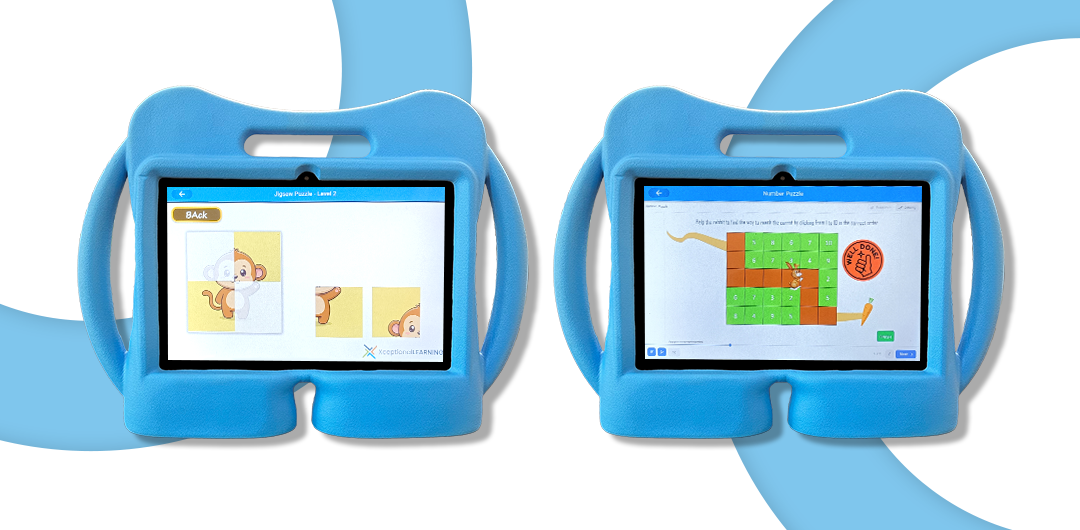
This is one reason visual and structured learning approaches are often helpful during transitions, learning activities, communication routines, and everyday tasks at home or school.
Children with autism frequently participate more comfortably when activities become visually organized, step-by-step, predictable, and easier to process without excessive distractions.
Instead of trying to manage multiple verbal instructions simultaneously, children receive clearer and more manageable guidance throughout the activity.
Learn how visual processing support may help children participate more comfortably during everyday routines: visual perception skills.
Structured tools like VergeTAB can also support guided routines, visual schedules, smoother transitions, focused participation, and simplified task flow during everyday activities.
Families working on home-based daily living activities may also explore: Occupational therapy activities at home.
Watch How Structured Visual Support Helps Children Participate More Comfortably
Watch how structured visual learning and predictable routines help children participate more calmly during everyday activities.
Want Structured Support for Emotional Regulation at Home?
Predictable routines and guided visual activities may help children feel calmer, more comfortable, and more prepared during everyday transitions.
What Children Often Need After a Meltdown
Recovery is an important part of emotional regulation.
After emotional overwhelm, many children need time before they can comfortably return to expectations, conversations, or daily demands. Some children respond better to quieter environments, familiar routines, hydration, sensory calming activities, emotional reassurance, or simply having fewer demands placed on them immediately after distress.
For many families, the most helpful support during recovery is reducing pressure instead of trying to immediately “fix” the behaviour.
Children often regulate more comfortably when they feel emotionally safe, supported, and given enough time to recover at their own pace.
Real Progress Often Looks Different Than Parents Expect
Progress does not always look like “perfect behaviour.”
Sometimes meaningful progress appears in smaller everyday moments — recovering more quickly after becoming anxious, handling transitions with less distress, communicating needs more clearly, asking for help, or participating more comfortably during routines that once felt overwhelming.
For some families, progress simply looks like calmer mornings, fewer emotionally exhausting routines, or a child feeling safer during everyday activities.
Small improvements often create meaningful long-term change over time.
Families may also find encouragement in this real story: A Special Child’s Journey With Digital Learning
Why Structured Tools Like VergeTAB Can Help
Children with autism often participate more comfortably when learning becomes visually organized, predictable, and easier to process consistently throughout the day.
Many children benefit from:
- guided visual routines
- predictable activity flow
- sensory-friendly participation
- step-by-step learning support
- calmer and less distracting environments
That is one reason structured therapy tools like VergeTAB can help families continue supportive learning beyond therapy sessions.
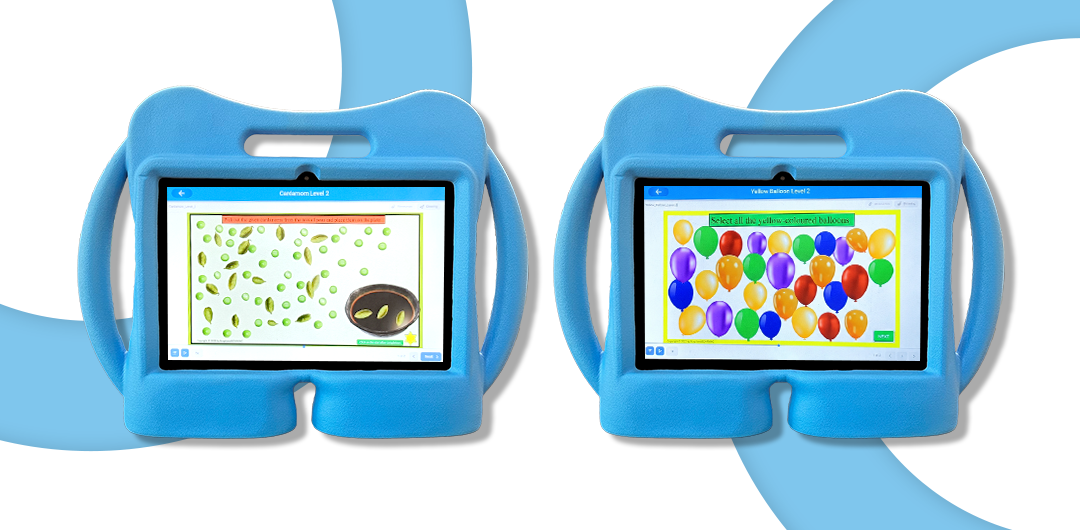
VergeTAB supports:
- visual schedules
- guided activities
- smoother routine transitions
- daily living skill practice
- focused participation during learning
Over time, consistent home support may help some children feel more prepared, emotionally regulated, and confident during everyday situations.
Need Help Creating Calmer Daily Routines?
Support your child with more predictable and structured daily routines through visual schedules, guided activities, sensory-friendly learning, and consistent home support.
Frequently Asked Questions
Are autism meltdowns intentional?
Usually not.
Meltdowns are commonly linked to emotional or sensory stress rather than intentional behaviour.
What triggers autism meltdowns most often?
Triggers vary from child to child, but common examples include sensory overload, unexpected transitions, communication frustration, crowded environments, and situations that become emotionally under pressure too quickly.
Should children be disciplined during a meltdown?
Children who are overstimulated often need calm support and regulation first. Teaching and correction are usually more effective after recovery.
Can visual routines help reduce meltdowns?
Predictable visual routines and step-by-step activities may help reduce emotional stress by making daily situations feel more manageable and understandable.
Some children also benefit from activities that strengthen visual discrimination and visual processing abilities during structured routines.
How can parents help children regulate emotions at home?
Many families find that calmer communication, visually supported routines, predictable transitions, sensory-friendly environments, and structured daily activities help children feel more emotionally secure throughout the day.
Final Thought
Behind many meltdowns is not resistance — but a nervous system experiencing more stress than it can manage comfortably.
When children feel safer, more prepared, less pressured, and better understood, daily routines often become calmer for everyone involved.
And often, calmer homes are built through small, predictable changes repeated consistently over time.
Want Structured Support at Home?
Explore Structured Visual Learning With VergeTAB
Predictable routines and guided visual activities may help children feel calmer and more prepared during everyday transitions.